The Future of Health Care: What to Expect in a Rapidly Evolving Landscape
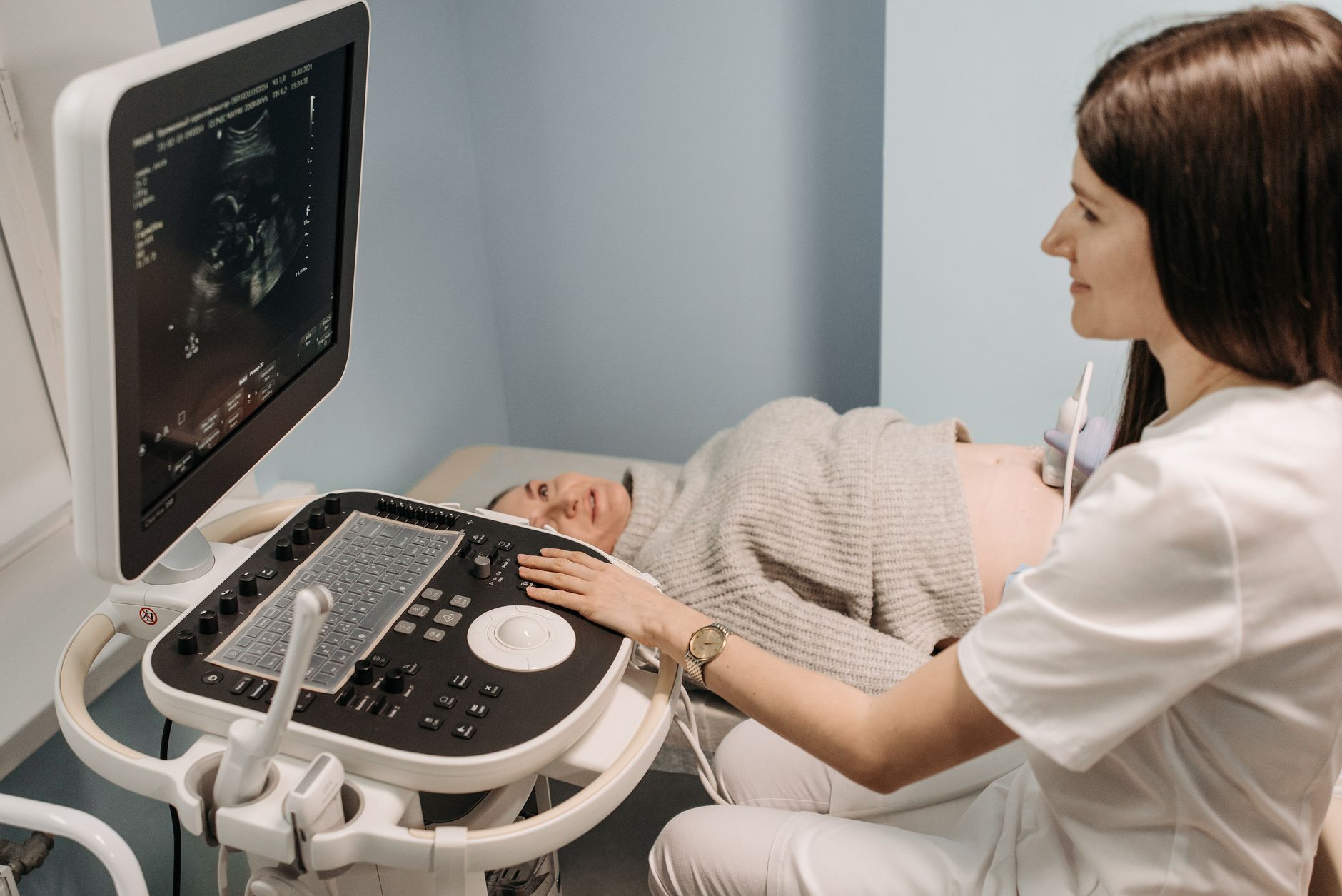
The Future of Health Care: What to Expect in a Rapidly Evolving Landscape
The global healthcare landscape is on the cusp of a monumental transformation, driven by an unprecedented confluence of technological innovation, shifting demographic trends, and evolving patient expectations. Far from the traditional model of reactive treatment, the future of health care promises a proactive, personalized, and digitally integrated experience. This evolution isn’t merely incremental; it represents a fundamental rethinking of how health and wellness are managed, delivered, and experienced. Understanding these shifts is crucial for patients, providers, and policymakers alike as we navigate towards a healthier tomorrow.
Technological Revolution: AI, IoMT, and Beyond Driving Healthcare’s Evolution
At the heart of future healthcare lies a technological revolution, with advancements in artificial intelligence, the Internet of Medical Things, and genomics set to redefine diagnostic accuracy, treatment efficacy, and patient engagement.
Artificial Intelligence (AI) and Machine Learning (ML)
AI and machine learning are poised to revolutionize nearly every facet of healthcare, from speeding up drug discovery to enhancing diagnostic precision. These technologies can process vast amounts of data, identifying patterns and insights that human analysis alone might miss.
- Enhanced Diagnostics and Imaging Analysis: AI algorithms can analyze medical images (X-rays, MRIs, CT scans) with remarkable accuracy, often identifying subtle anomalies that could indicate early-stage diseases like cancer or retinopathy, leading to earlier intervention.
- Accelerated Drug Discovery and Development: AI can simulate molecular interactions, predict drug efficacy, and identify potential drug candidates much faster than traditional methods, significantly reducing the time and cost associated with bringing new medicines to market.
- Personalized Treatment Plans and Risk Prediction: By analyzing a patient’s genetic profile, medical history, and lifestyle data, AI can help tailor treatment plans for maximum effectiveness and predict individual risks for various conditions, enabling preventative strategies.
Internet of Medical Things (IoMT) and Wearables
The IoMT represents a connected infrastructure of medical devices, sensors, and health IT systems that facilitate continuous data collection and remote monitoring. Wearable devices, from smartwatches to sophisticated biometric sensors, will become indispensable tools for personal health management.
- Remote Patient Monitoring for Chronic Conditions: IoMT devices allow healthcare providers to monitor vital signs, glucose levels, heart rates, and other crucial metrics remotely, enabling proactive management of chronic diseases like diabetes and heart failure, reducing hospital readmissions.
- Proactive Health Insights from Wearables: Consumer wearables will increasingly provide actionable insights into sleep patterns, activity levels, stress indicators, and even early signs of illness, empowering individuals to take a more active role in their preventative health.
- Smart Hospitals and Asset Tracking: Within healthcare facilities, IoMT will optimize operations through real-time tracking of equipment, staff, and patients, improving efficiency, safety, and response times.
Telemedicine and Virtual Care
While accelerated by recent global events, telemedicine is set to evolve far beyond simple video calls. It will become a sophisticated ecosystem of virtual consultations, remote diagnostics, and digital therapeutic interventions, significantly improving accessibility and convenience.
- Remote Consultations and Follow-ups: Patients will have easier access to specialists, general practitioners, and mental health professionals, regardless of geographical barriers, reducing travel time and wait times.
- Virtual Mental Health Services: Telehealth platforms are particularly well-suited for mental health support, offering accessible and private avenues for therapy, counseling, and psychiatric consultations.
- Digital Platforms for Health Education and Coaching: Interactive apps and platforms will deliver personalized health education, medication reminders, and virtual coaching for chronic disease management and lifestyle changes.
Genomics and Personalized Medicine
Understanding an individual’s unique genetic blueprint is unlocking a new era of highly targeted and effective medical treatments. Personalized medicine promises to move away from the “one-size-fits-all” approach to healthcare.
- Precision Oncology: Genetic sequencing of tumors allows oncologists to identify specific mutations, leading to highly targeted therapies that are more effective and cause fewer side effects than traditional chemotherapy.
- Pharmacogenomics for Optimal Drug Dosages: Analyzing an individual’s genes can predict how they will metabolize certain drugs, allowing doctors to prescribe the most effective medication at the optimal dose, minimizing adverse reactions.
- Predictive Genetics for Disease Prevention: Genetic screening can identify predispositions to certain diseases, empowering individuals to make informed lifestyle choices and pursue early preventative interventions.
A Shift Towards Proactive and Preventative Care
The future of health care will increasingly emphasize proactive strategies to prevent illness rather than reactively treating it. This paradigm shift will focus on wellness, early detection, and empowering individuals to maintain good health throughout their lives.
- Emphasis on Lifestyle and Wellness Programs: Healthcare providers will integrate nutritionists, fitness experts, and wellness coaches into care teams, promoting holistic health and disease prevention through lifestyle modifications.
- Early Disease Detection Through Advanced Screening: Genetic tests, liquid biopsies, and AI-powered diagnostic tools will enable the detection of diseases like cancer, Alzheimer’s, and cardiovascular conditions at their earliest, most treatable stages.
- Public Health Initiatives Powered by Data Analytics: Big data analytics will help identify population-level health trends, predict disease outbreaks, and inform targeted public health campaigns, leading to more effective preventative strategies.
Redefining the Patient Experience
Patients in the future will be more empowered, informed, and central to their own care decisions. The healthcare journey will be more seamless, integrated, and tailored to individual needs.
Patient-Centricity and Empowerment
The paternalistic model of healthcare is giving way to a collaborative partnership, where patients are active participants in their health journey.
- Shared Decision-Making Tools: Digital platforms will provide patients with comprehensive, easy-to-understand information about treatment options, risks, and benefits, facilitating informed choices in consultation with their providers.
- Easy Access to Personal Health Records (PHRs): Patients will have immediate, secure access to their medical records, test results, and treatment plans, promoting transparency and continuity of care across different providers.
- Digital Interfaces for Appointment Booking and Communication: User-friendly apps and online portals will simplify appointment scheduling, prescription refills, and secure communication with care teams, improving convenience and engagement.
Integrated and Holistic Care Models
Future healthcare will break down traditional silos, offering a more coordinated and comprehensive approach that addresses all aspects of a patient’s well-being.
- Coordinated Care Across Multiple Specialists: Integrated electronic health records and care coordination platforms will ensure that all members of a patient’s care team – from primary care to specialists – have a unified view of their health, reducing redundancies and improving outcomes.
- Mental and Physical Health Integration: The recognition of the inextricable link between mental and physical health will lead to integrated services, with mental health support being a standard component of overall care.
- Social Determinants of Health Addressed: Healthcare systems will increasingly partner with community organizations to address factors like housing, food security, and transportation, recognizing their profound impact on health outcomes.
The Evolving Role of Healthcare Professionals
While technology will automate many tasks, the human element in healthcare remains irreplaceable. The role of doctors, nurses, and other allied health professionals will evolve, shifting towards more complex decision-making, empathetic interaction, and interdisciplinary collaboration.
- Focusing on Complex Cases and Human Interaction: Professionals will be freed from routine administrative tasks, allowing them to dedicate more time to complex diagnoses, intricate procedures, and crucial patient communication.
- Interdisciplinary Collaboration: The increasing complexity of medical knowledge will necessitate even greater teamwork among diverse specialists, facilitated by advanced communication and data-sharing platforms.
- Continuous Learning and Digital Literacy: Healthcare professionals will need to continuously update their skills, embracing new technologies and data analytics tools to deliver the best possible care.
Navigating the Challenges and Ethical Landscape
The promise of future healthcare comes with significant challenges that must be addressed to ensure equitable and ethical progress.
Data Privacy and Cybersecurity
As more sensitive health data is collected and shared digitally, protecting patient privacy and safeguarding against cyber threats will be paramount. Robust security protocols and stringent regulatory frameworks will be essential.
Equity, Access, and the Digital Divide
There’s a risk that advanced, technology-driven healthcare could exacerbate existing inequalities. Ensuring that these innovations are accessible and affordable for all, regardless of socioeconomic status or geographical location, will be a critical challenge. Bridging the digital divide for those with limited technological literacy or access is imperative.
Regulatory Frameworks and Integration
Regulatory bodies will need to adapt swiftly to the pace of innovation, creating agile frameworks that ensure the safety, efficacy, and ethical deployment of new technologies without stifling progress.
Conclusion: A Healthier, Smarter Future
The future of health care is undeniably exciting, promising a world where disease is predicted, prevented, and treated with unprecedented precision. It envisages a system that is more accessible, efficient, and deeply personalized, with patients at the center of their own care. While the journey will be complex, requiring careful consideration of ethical implications, data security, and equitable access, the potential rewards are immense. By embracing innovation, fostering collaboration, and maintaining a commitment to human-centric care, we can collectively build a healthier, smarter, and more compassionate healthcare system for generations to come.


