Alzheimer’s Association unveils new brain health initiative
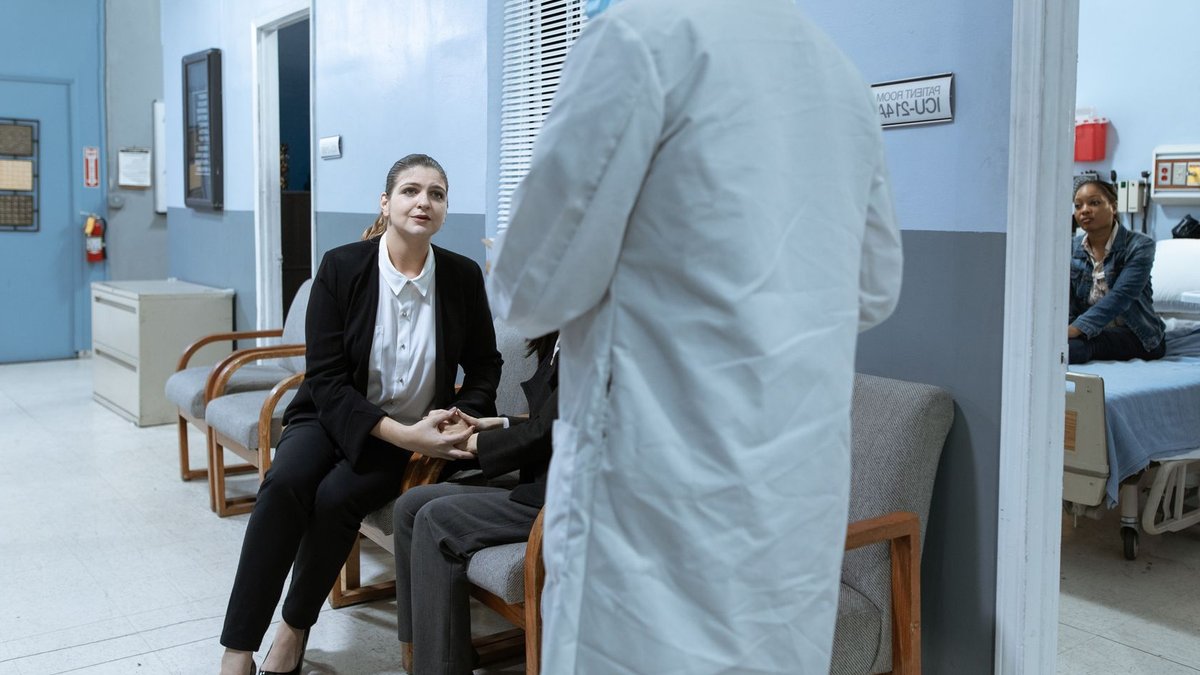
The Alzheimer’s Association recently introduced the Brain Health & Quality Care Initiative (BHQCI), a new framework to integrate brain health and dementia care into everyday medical practices. Through standardized clinical pathways and practical implementation tools, the program seeks to improve consistency in dementia-related services across healthcare systems.
The initial focus of primary care efforts will be on cognitive assessment, diagnostic evaluation, referrals, care transitions, and ongoing support. The Alzheimer’s Association believes that recent scientific advancements in brain health care have not effectively reached individuals in real-world settings.
Addressing the Gaps
Katie Evans, chief programs and mission engagement officer at the Alzheimer’s Association, said the motivation behind this initiative is to address the gap between scientific progress and everyday care.
Evans pointed out that cognitive assessments are not routinely integrated into standard care, referral processes are disjointed, and many individuals and families face delays in receiving a diagnosis and care plan. The Alzheimer’s Association is hopeful that the BHQCI will address these gaps in care.
“It is going to give health systems very practical tools to help them close that gap,” said Evans. “Essentially, we are creating this national framework to help healthcare organizations implement evidence-based approaches on brain health and dementia care across clinical settings.”
Beginning with Primary Care
The Alzheimer’s Association intends to begin implementing the BHQCI in primary care, as this is often where people first seek help for cognitive issues. Evans emphasized that primary care is the logical starting point. The association will develop a blueprint for primary care, focusing on five key areas, beginning with clinical presentation.
Within each domain, there will be training and tools, Evans added. The association has national health system directors who work with 300 to 400 health systems. They will be working on quality improvement initiatives to implement the models and build the journey that is unique to each system.
Related Post: MVP Health Care upgrades provider dashboards with real-time data
Evans shared a scenario of what successful implementation of BHQCI would look like in primary care, where a 50-year-old woman visiting her physician can discuss brain health as part of her overall health, and if something changes, her health system can identify her early and provide the right diagnostic tools and care.
Evans stated that what is considered exceptional care today should become standard healthcare, which is the goal of the BHQCI. The association is collaborating with its clinical advisory council to create the blueprint.
The initiative will share success metrics as it progresses. Currently, success is defined as helping health systems provide more consistent, high-quality brain health and dementia care, involving a quality improvement registry, real-world data collection, and measuring health outcomes and impact.
Motisola Lewis, MD, an internal medicine physician, said she loves the initiative and believes brain health should be part of the conversation long before a patient starts showing symptoms. However, she expressed concerns about the practicality of the initiative, particularly in a system where doctors are expected to do everything in a short amount of time.
Dr. Lewis noted that the initiative should offer streamlined approaches, team-based support, and reimbursement or other operational strategies that make this care sustainable, especially for physicians working in corporate medicine with 15-minute appointment models. Luke Sorrel, MD, FACP, a board-certified internist, raised similar concerns, saying that the initiative’s feasibility depends on making it fit a 15- to 20-minute visit.
Dr. Lewis stressed the importance of simple screening tools, clear clinical pathways, guidance on advanced testing, and straightforward referrals. She also emphasized the need for practical advice on identifying modifiable dementia risk factors and integrating brain health counseling into preventive care.
Evans said they will answer questions such as whether the initiative can work in a community clinic or a rural community without a dementia specialist, and what the pathways and referral options would look like in such settings. The association will work to build and sustain a framework that can function outside an academic medical center, considering the workforce shortage in primary and specialty care.
Related Stories
 Chronic Condition Files
Alzheimer’s Association unveils new brain health initiative
 Chronic Condition Files
FDA Approves At-Home Agitation Treatment for Psychiatric Disorders
 Chronic Condition Files
CVS to split into insurance and pharmacy companies
 Chronic Condition Files