European consortium tests continuous drug production method
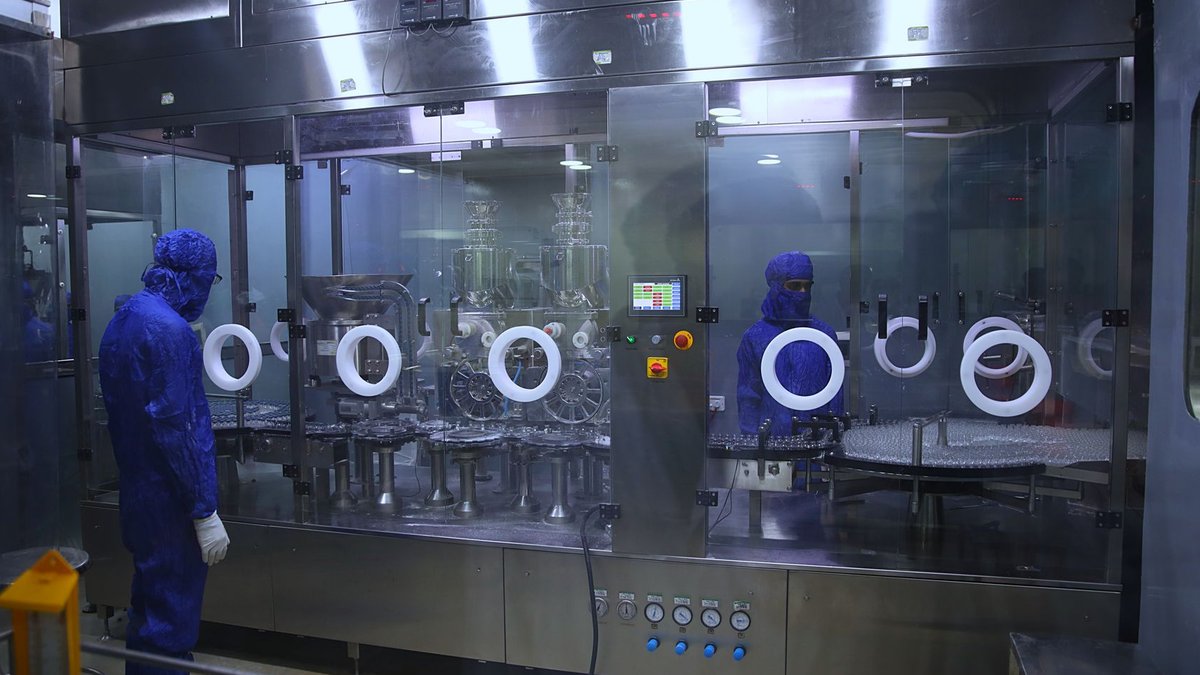
A group of European companies has successfully tested a new system for making pharmaceutical active ingredients (APIs) using a continuous process, blending advanced chemistry, real-time monitoring, and AI-driven controls in lab and pilot settings.
The PIPAC consortium, which includes De Dietrich, Alysophil, Bruker, and Novalix, believes this method could make drug manufacturing more adaptable and strengthen supply chains by offering a scalable option to traditional batch production.
Pilot Project Validates Continuous Production of Regulated Substance
The platform was validated by producing fentanyl, a tightly regulated API, in continuous flow at pilot scale. PIPAC says the demonstration showed that the platform could cope with challenging manufacturing conditions.
Conventional API production relies heavily on batch processes, where manufacturing occurs in separate stages, often requiring substantial time and resources for scaling up.
Read Also: NHS struggles to close cardiovascular care gap
In contrast, continuous manufacturing allows for ongoing synthesis and monitoring, with adjustments made as production continues.
This method could also support smaller, modular production units, potentially increasing regional flexibility in pharmaceutical production. The issue is of growing interest as manufacturers and governments have sought to strengthen supply chains following recent disruptions and concerns over the geographical concentration of API production.
Each partner contributed specific components to the platform: Novalix developed the continuous-flow synthesis method; Bruker provided real-time monitoring technology; Alysophil supplied AlchemDrive, an AI-driven control system that analyzes production data and adjusts parameters during manufacturing; and De Dietrich created the industrial hardware and automation framework integrating these elements.
PIPAC states that the successful demonstration provides a foundation for developing GMP-compatible continuous manufacturing systems. The platform could also be extended to downstream operations including filtration, purification and drying, although these elements were not part of the reported demonstration.
Related Stories
 Fitness Recovery Watch
AI-Powered Models Transform Biopharma Engagement with HCPs, Patients
 Fitness Recovery Watch
European consortium tests continuous drug production method
 Fitness Recovery Watch
Glutathione Supplement Effectiveness Hinges on Formulation
 Fitness Recovery Watch