CAR T Cell Therapy for Myeloma Patients
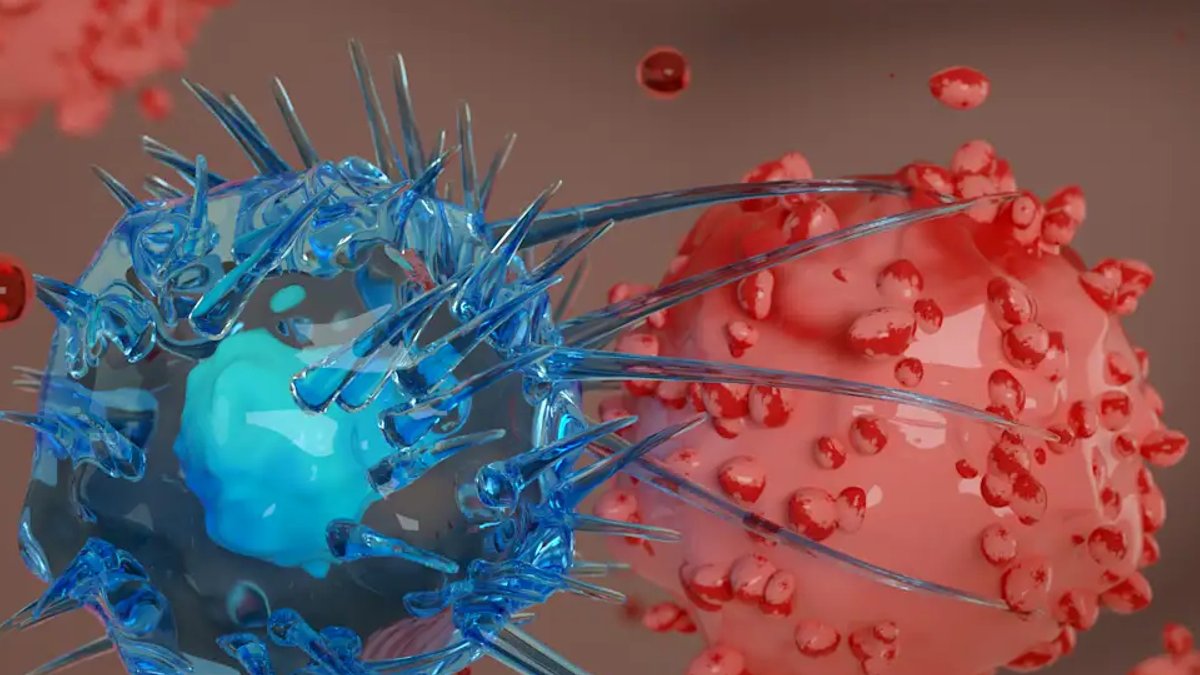
Patients with multiple myeloma that has relapsed or become refractory to treatment may be advised by their healthcare providers to consider CAR T-cell therapy. This approach modifies the patient’s own immune cells to target and destroy myeloma cells. CAR T, short for chimeric antigen receptor T-cell therapy, starts with extracting a patient’s T cells, a critical component of the immune system.
A laboratory then modifies and expands these cells so they can recognize and attack a specific target on myeloma cells, said Sagar Lonial, MD, vice chair of the International Myeloma Foundation Board of Directors and chief medical officer of the Winship Cancer Institute at Emory University. That target is usually B-cell maturation antigen (BCMA), a protein found on the surface of myeloma cells.
How CAR T-Cell Therapy Works
Unlike treatments that require regular doses, CAR T-cell therapy involves a single infusion of the modified cells. Dr. Lonial described it as a “one-and-done” therapy. “You give the cells, and from a treatment aspect, that is it,” he said. However, the entire treatment process takes time and includes several steps before and after the infusion.
CAR T Cell Therapies Approved
Two BCMA-targeted CAR T-cell therapies are currently approved for multiple myeloma: Idecabtagene vicleucel (Abecma) and Ciltacabtagene autoleucel (Carvykti). These therapies were first approved in 2021 and 2022, respectively. The process of preparing for CAR T-cell therapy may take a few months and generally involves several steps, including T-cell collection, laboratory modification, bridging therapy, lymphodepletion, and the CAR T-cell infusion.
The T-cell collection process involves collecting T cells from the patient’s blood through a procedure called leukapheresis. The collected cells are then sent to a FDA-certified laboratory, where they are genetically modified and multiplied. This process commonly takes three to five weeks but may take up to eight weeks.
Eligibility for CAR T-Cell Therapy
Eligibility for CAR T-cell therapy has expanded as specialists have learned more about the treatment. According to Dr. Lonial, many people with relapsed multiple myeloma may be candidates, as long as their disease can be controlled before treatment. The patient’s care team will consider several factors, including their overall health and fitness, whether their myeloma can be controlled while their cells are prepared, and the treatments they have already received.
The eligibility requirements also depend on which CAR T-cell treatment the patient receives. In 2024, the U.S. Food and Drug Administration (FDA) approved both treatments for use earlier in the course of relapsed multiple myeloma. Cilta-cel may be used as early as the first relapse in certain people whose myeloma has stopped responding to lenalidomide and who have received at least one previous line of therapy.
As the treatment process involves several steps, patients experience a range of emotions and challenges. The waiting period between T-cell collection and CAR T-cell infusion can be a time of uncertainty and anxiety. However, with the right support and care, patients can manage this process and potentially achieve significant benefits from the treatment.
Patient Eligibility Expands
Dr. Lonial noted that CAR T-cell therapy is “much less intensive for most patients than an [autologous stem cell] transplant,” so age alone does not necessarily rule it out. Some people in their 80s may still be eligible. Having a caregiver who can support the patient during early recovery is especially important, as they may need help with transportation, monitoring for possible side effects, and attending follow-up appointments.
The FDA has also changed its guidance to recommend that patients avoid driving and remain near a treatment center for about two weeks after receiving CAR T cells, rather than eight weeks. During this period, caregiver support may include providing transportation, helping manage medications and appointments, and monitoring for signs of an adverse reaction.
CAR T-cell therapy can cause serious side effects, but the patient’s care team will monitor them closely so these complications can be recognized and treated quickly. Two of the most closely monitored side effects are cytokine release syndrome (CRS) and immune effector cell-associated neurotoxicity syndrome (ICANS).
CRS is an inflammatory response that can occur when activated immune cells release large amounts of signaling proteins called cytokines. ICANS affects the brain and nervous system, and its symptoms may include confusion, difficulty speaking or writing, tremors, and unusual sleepiness. Both CRS and ICANS are generally treated with supportive care and medications, such as tocilizumab and steroids.
According to Daniel Landau, MD, medical director of virtual hematology at the Medical University of South Carolina in Charleston, most of these toxicities are reversible, particularly when recognized early. The patient’s care team will work closely with them to manage any side effects and ensure the best possible outcome from the treatment.
Long Term Treatment Outcomes
Dr. Lonial pointed to long-term findings from the CARTITUDE-1 trial, which studied cilta-cel in people who had already received several myeloma treatments. At five years, about 30% of participants were alive without disease progression and had not needed additional treatment. These findings suggest that immune-based treatments such as CAR T-cell therapy may allow some people to experience outcomes that meet an emerging definition of a cure.
According to Dr. Landau, some people regain their strength within several weeks of CAR T-cell therapy, while others need several months or longer to recover. Patients gradually return to normal activities as their strength and blood counts recover, although returning completely to work, exercise, or travel may take several weeks to a few months. Because the immune system may remain weakened, the care team will monitor the patient for infections and other complications.
To determine how the multiple myeloma is responding to treatment, the doctor will order follow-up testing, said Dr. Landau. Depending on the situation, testing may include blood and urine tests, PET/CT scans, bone marrow biopsies, and measurable residual disease testing. The first major response assessment is often around one month after treatment, with additional testing over the following months.
A caregiver is an important part of the CAR T-cell therapy process, particularly during the first few weeks after the infusion. In June 2025, the FDA removed the special safety program that had limited treatment to certified centers.
The treatment center will provide specific instructions based on the CAR T-cell therapy the patient receives and their needs. If the patient does not have a caregiver available to help them, they should tell their care team as early as possible.


