Clinical trials face enrollment protection issues
Industry discussions often focus on recruiting patients for a clinical trial, but the enrollment challenge extends to protecting participants once they enter screening. Awareness, access, and willingness matter, yet operational failures can still derail a study.
Sample handling errors threaten enrollment
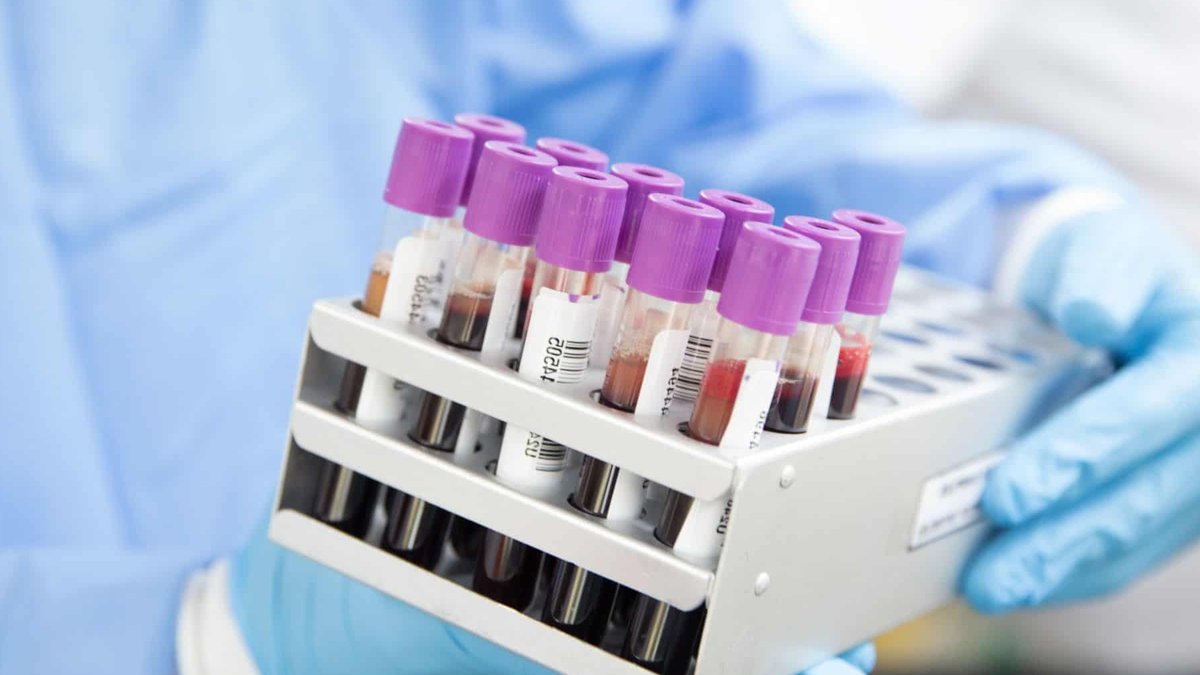
During screening, a patient may consent, travel to a site, and complete required tests, only to be lost because a sample was mishandled. Errors in collection, labeling, storage, or transport can compromise eligibility assessments.
Published data suggest up to three-quarters of sample-viability errors occur in the pre-analytical phase, before any analysis begins. In practice, a shipment may be delayed beyond its stability window, or a sample may be labeled with the wrong patient ID.
It’s estimated that roughly one in five biological samples collected during a clinical trial is lost, switched, mishandled, mislabelled, or otherwise compromised. When this happens during screening, a recollection may be required, extending the time needed to confirm eligibility.
Each handoff of sample information—site notes, laboratory requisitions, accession entries—creates additional chances for data entry errors. Such mistakes can trigger queries that delay result release, even if the sample itself remains viable.
Read Also: Pharma firms see climate as supply risk
Rare disease studies feel the impact
Rare-disease trials face heightened stakes because eligible participants are few and often dispersed. A single site may enroll only one patient; losing that individual can eliminate the only chance for that study.
In a global Phase 3 rare-disease trial, half of the participants entering screening were expected to fail due to stringent criteria. The study identified and resolved 25 risks to randomisation, including laboratory queries and sample accession errors.
Those interventions were estimated to preserve approximately one month of enrolment time. The study’s overall screening results likewise show the cumulative effect of that protection. The actual screen-failure rate came in at 38%, meaning some patients who had been projected to screen fail remained in the enrolment pathway.
Providing real-time visibility into trial execution can protect participants early in the process. When sponsors see a laboratory query instantly, they can act within the limited screening window, preventing unnecessary delays.
In this study, the rescreen rate dropped to 8%, far below the industry benchmark of 30% for similarly complex visits.
Maintaining sample chain of custody
Every step from collection to analysis must follow protocol-defined actions. A specimen taken at the correct time requires immediate processing, proper labeling, secure storage, appropriate packaging, and temperature-controlled transport. When any of these actions is omitted, the sample may no longer meet the assay’s stability criteria.
Read Also: AI-Powered Models Transform Biopharma Engagement with HCPs, Patients
Logistical gaps often emerge during transit. A shipment that arrives after a weekend can exceed its allowable window, rendering the material unsuitable for testing. Similarly, a parcel left unattended on a loading dock may experience temperature excursions that compromise viability.
Failure to execute a required processing step, such as centrifugation before freezing, can introduce variability that masks the true biomarker level. If the laboratory receives a specimen that has not undergone the prescribed preparation, the resulting data may be unreliable, potentially causing an otherwise eligible participant to be classified as a screen failure.
Visibility into these handoffs is essential. When a query is generated, the sponsor must know not only that it exists but also which participant and which step triggered it. Without that context, corrective measures may arrive after the screening deadline, eliminating the opportunity to retain the patient in the trial.
People enter clinical trials to benefit from treatment or advance medical research. They accept uncertainty and risk while managing a serious illness.
Real-time platforms that close the gap
Richard Graham, PhD is the Chairman and Co-Founder of TruTechnologies, a clinical trial software company delivering real-time visibility into trial execution at the point of care.
Related Stories
 Fitness Recovery Watch
Clinical trials face enrollment protection issues
 Fitness Recovery Watch
AI-Powered Models Transform Biopharma Engagement with HCPs, Patients
 Fitness Recovery Watch
European consortium tests continuous drug production method
 Fitness Recovery Watch