New Parasite Outbreak Sparks Diarrhea Cases Nationwide
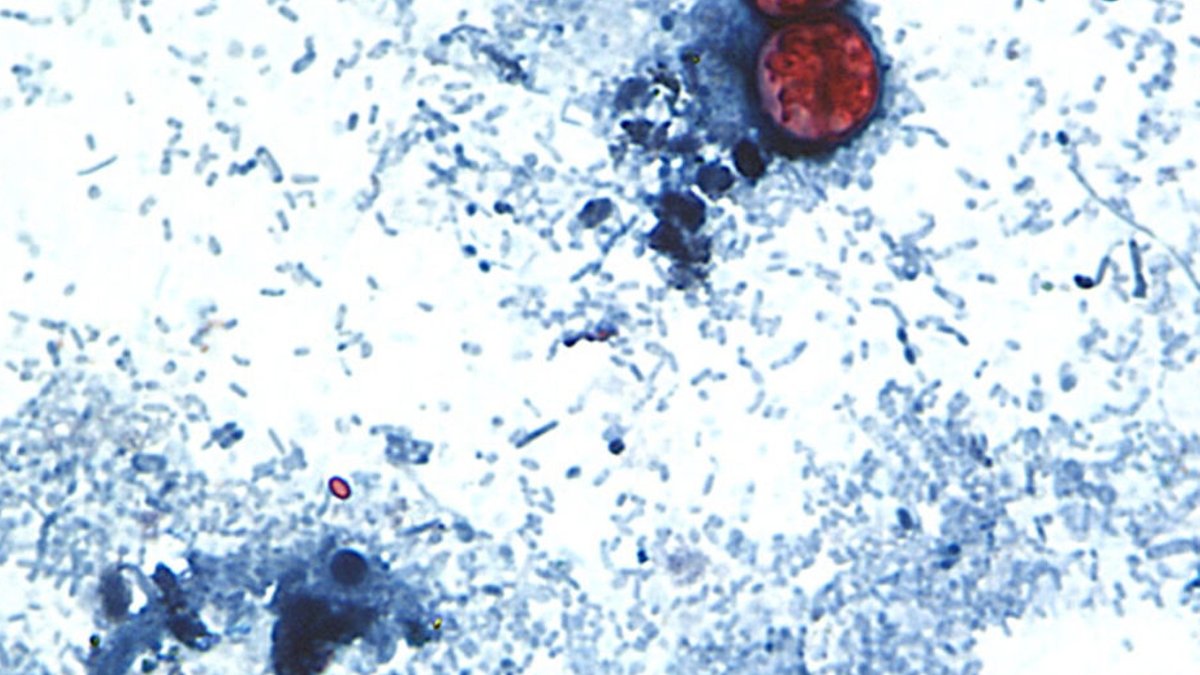
The United States is confronting a new cyclospora outbreak, adding to the nation’s largest recorded surge of the parasite that causes diarrheal illness.
Case count rises as investigators search for the source
Federal health officials announced Tuesday that 72 additional cases have been confirmed, bringing the total for this separate multistate cluster to over 4,200. The cases were identified through routine surveillance and reported to the Centers for Disease Control and Prevention (CDC). The outbreak appears unrelated to the earlier wave linked to lettuce from Taylor Farms, which prompted a recall of iceberg lettuce grown in central Mexico.
Officials have not yet pinpointed a specific food product or location tied to the new cases. The investigation is ongoing, and state health departments are working with the CDC to interview patients, trace food histories, and test environmental samples.
Public health response and recommendations
In response to the growing number of infections, the CDC has issued an advisory urging consumers to wash all fruits and vegetables thoroughly before consumption. This recommendation mirrors earlier guidance issued during the larger outbreak tied to the Taylor Farms lettuce, emphasizing that proper washing can reduce the risk of ingesting the parasite.
Related: FDA panel reviews peptides, Merck wins HIV license
Healthcare providers are being reminded to consider Cyclospora in patients presenting with prolonged watery diarrhea, especially if symptoms persist beyond a week and do not respond to standard antibiotics. Timely diagnosis is essential to avoid complications.
Numbers are still climbing, and the pattern of case distribution suggests a spread across several states rather than a single localized incident. This broader geographic reach complicates the tracing effort, as investigators must coordinate across multiple jurisdictions.
If the source turns out to be a widely distributed product, the recall could affect a large segment of the food supply chain. Such an outcome would likely prompt additional safety checks and could lead to stricter regulations for produce handling. Without concrete evidence linking a specific item, officials remain cautious about issuing targeted alerts.
The outbreak highlights the challenges public health agencies face when dealing with foodborne parasites that are difficult to detect in routine testing. Unlike bacterial contaminants, Cyclospora does not always cause immediate, severe symptoms, which can delay reporting and hinder early containment.
Related: Skills to Ease Tense Situations
Meanwhile, the CDC continues to process thousands of pending reports from the earlier lettuce-related outbreak, which has already strained laboratory capacity. The dual pressures of a historic surge and a new cluster test the resilience of surveillance systems and point to the need for sustained investment in food safety infrastructure.
Individuals are encouraged to stay informed through official health department channels and to practice basic food safety measures.
Simple steps such as rinsing produce under running water, using a clean brush for firm fruits and vegetables, and avoiding cross‑contamination in the kitchen can make a measurable difference.
Related Stories
 Nutrition Science Desk
Sanofi and Birmingham Hospital Win Inaugural Award
 Nutrition Science Desk
Gilead urges community-led design for medicine access
 Nutrition Science Desk
Chef Mansfield Shares Easy Mediterranean Stuffed Salmon Recipe
 Nutrition Science Desk