Home trials bring science to your doorstep
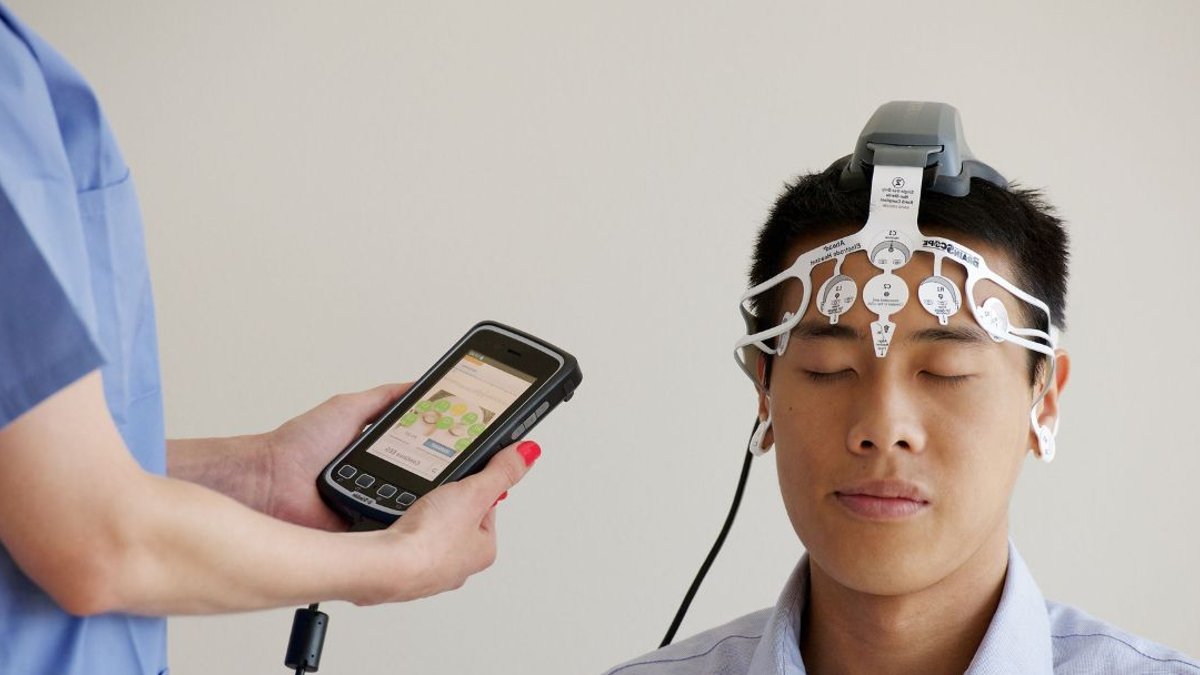
When you sign up for a remote clinical trial, you invite researchers into your home through digital tools.
Decentralized clinical trials, or DCTs, have grown in use. Participants no longer need to travel to research sites. Instead, they can take part from home using smartwatches, apps, or courier services for sample collection. Consent forms are signed electronically on phones or tablets.
The FDA’s Stance on Remote Trials
The Food and Drug Administration issued final guidance on decentralized trials in September 2024. The agency stated that data quality and safety monitoring must meet the same standards as in-person studies.
A day in a remote trial depends on the study. Participants may use blood pressure cuffs, glucose monitors, or other wearables that send data to researchers via an app. Some studies require logging symptoms or completing tasks through the app. Video calls with study nurses replace clinic visits, and mobile phlebotomists can visit homes for blood draws or tests.
Participant Retention in Remote Trials
Evidence shows people tend to stay engaged. A survey by digital healthcare company Vivalink found that 90% of over 200 American participants were open to remote trials. More than half said they were “very likely” to join if they could participate from home. Only 34% said the same about traditional in-person trials.
Jiang Li, Vivalink’s CEO, noted that remote trials are often necessary for many considering participation. However, willingness to join doesn’t guarantee long-term engagement. A large trial using wearables to detect COVID-19 in over 17,000 participants reported that 80% remained active after six months. About two-thirds stayed enrolled until the study concluded.
Related: Sleep plays key role in mental health
Potential Challenges
Technology issues pose significant risks. If a wearable fails or an app crashes, participants can’t easily seek help. They must contact the study team, and if the problem persists, a home visit may be needed. Effective study teams provide clear tech support and troubleshooting steps upfront.
Privacy concerns also arise. Remote trials involve sensitive health data transmitted through personal devices and home Wi-Fi. Unsecured networks can expose data, and traveling participants using public Wi-Fi face greater risks. While tools like VPNs can help, not everyone knows how to use them.
Access remains a hurdle. Not everyone owns a reliable smartphone, has high-speed internet, or a quiet space for video calls. This raises concerns about who gets excluded from studies designed around remote tools. Older adults, low-income households, and rural residents may face more barriers than others.
Decentralized trials provide flexibility but come with trade-offs. Early data indicates participants are more likely to stay enrolled when technology is simple and support is available. Still, reliability, privacy, and access issues mean these trials may not suit everyone.
Before joining, ask how the study handles technical problems, what security measures are in place, and whether the team can assist those without reliable internet or devices. If the answers are unclear, the trial may not be the right fit for your home.
For those with thin corneas, remote trials could offer a way to participate in vision-related studies without frequent clinic visits.


