Aligners Offer Simple Solution for Straightening Teeth
Many people notice a tooth that sticks out, a crowded smile, or a long‑standing gap and wonder if there’s a discreet way to fix it without metal braces.
How clear aligners work
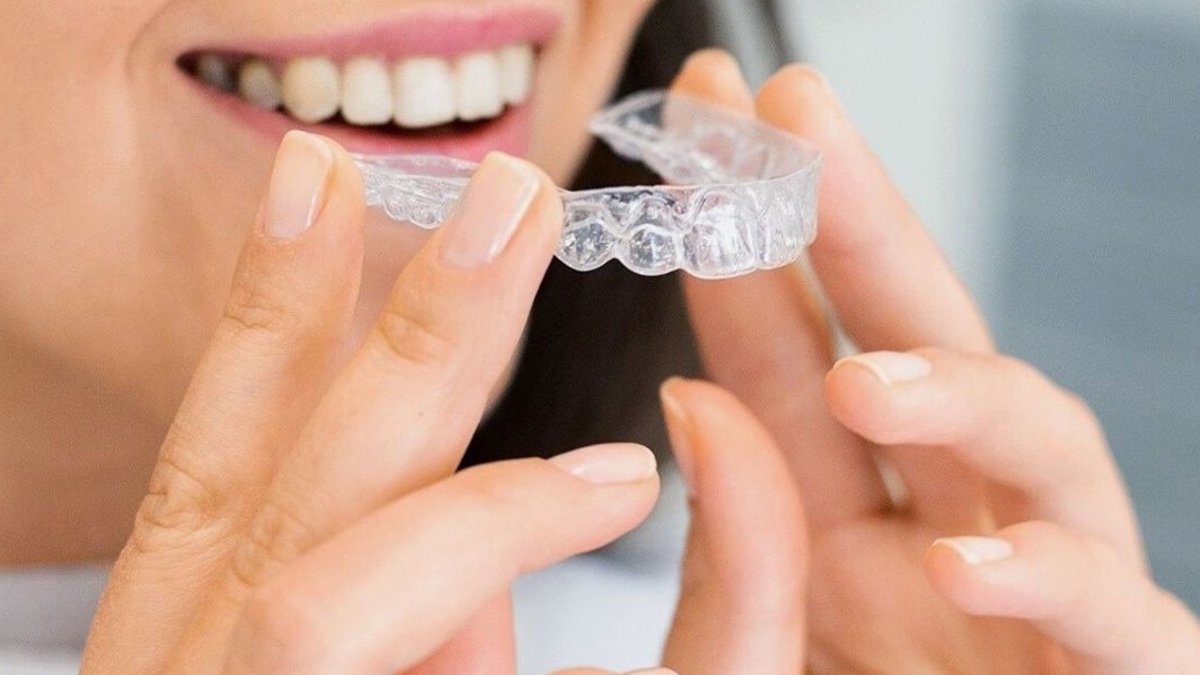
Clear aligners are thin, transparent trays that fit over the teeth. They are removable, so users can take them out to eat and brush, then place them back for the prescribed wear time.
Instead of a single device, the treatment involves a series of trays. Each new tray is slightly different, nudging the teeth a bit further toward the desired position.
Most dentists ask patients to keep the aligners on for about 20 to 22 hours a day. The exact schedule depends on the individual case and the dentist’s instructions.
Before starting, a dentist evaluates whether the teeth can be moved effectively with this method. If the assessment is positive, a custom plan is created.
First appointment and assessment
The initial visit focuses on a thorough examination. The dentist checks the teeth, gums, and bite, and may order an X‑ray to see underlying structures.
Read Also: Smartphone breathalyzer for acetone detection in development
A digital scan of the mouth is often taken. This scan produces a 3‑dimensional model that shows the exact shape and position of each tooth.
Patients can discuss the specific changes they want, such as correcting a protruding front tooth or closing a gap. The dentist then outlines the options, estimated duration, and likely cost.
It’s common for patients to ask about daily wear requirements and payment plans. The dentist’s answers help set realistic expectations before any trays are fabricated.
Treatment scope and limitations
Clear aligners can address a range of alignment issues, including crooked teeth, mild crowding, gaps, and some overbite or underbite situations.
More severe bite problems or large movements may still require traditional braces or other orthodontic appliances. Choosing aligners solely because a friend used them can be risky without a professional evaluation.
In many cases, aligners are also used after braces to fine‑tune the final position of teeth that have shifted slightly.
The trays are transparent and sit closely over the teeth, making them far less noticeable than metal brackets. Someone standing very close might still see them, but they blend in during conversation or smiling.
Read Also: Tummy Tuck Surgery: Procedure, Recovery, and Risks
Cost and daily life impact
In India, the price of clear aligner therapy ranges roughly from ₹50,000 to ₹3,50,000 or higher. The exact amount varies with the complexity of the case, the brand used, and the services included.
Two patients with similar smiles may receive different quotes because one needs only a few trays for a minor correction, while the other requires many trays to address a bite issue.
Daily routines are largely unchanged. Users can attend school, work, or social events without drawing attention. Meals are simple: remove the trays, eat, then clean the teeth and replace the aligners.
The first few days may feel odd as the habit of inserting and removing the trays develops. After a short adjustment period, the process becomes routine.
What patients should consider
Understanding the full treatment plan during the first consultation helps avoid unexpected expenses. Knowing how many trays are needed and the expected wear schedule lets patients plan their lifestyle accordingly.
Compliance is essential. Skipping wear time or failing to switch trays as directed can prolong treatment or reduce effectiveness.
While the trays are discreet, they are not invisible. The slight visibility is a trade‑off many find acceptable compared to the conspicuousness of metal braces.
Read Also: Streamlining Billing for Home Infusion Providers
For those who value aesthetic discretion, clear aligners often present a practical compromise.
From a broader perspective, the rise of removable, transparent orthodontic options reflects a shift toward patient‑centered care that emphasizes convenience and appearance. As more adults seek subtle solutions, providers adapt their offerings to meet these preferences while still delivering clinically sound results.
Key takeaways for prospective users
Before committing, schedule a full exam to confirm that aligners are suitable for the specific dental situation.
Ask detailed questions about the number of trays, total duration, and total cost, including any ancillary fees.
Remember that success hinges on consistent daily wear and timely tray changes as prescribed by the dentist.
When used correctly, clear aligners can provide a low‑profile path to a straighter smile without the need for traditional braces.


