GOLD Report Highlights Rehab and Early COPD Diagnosis
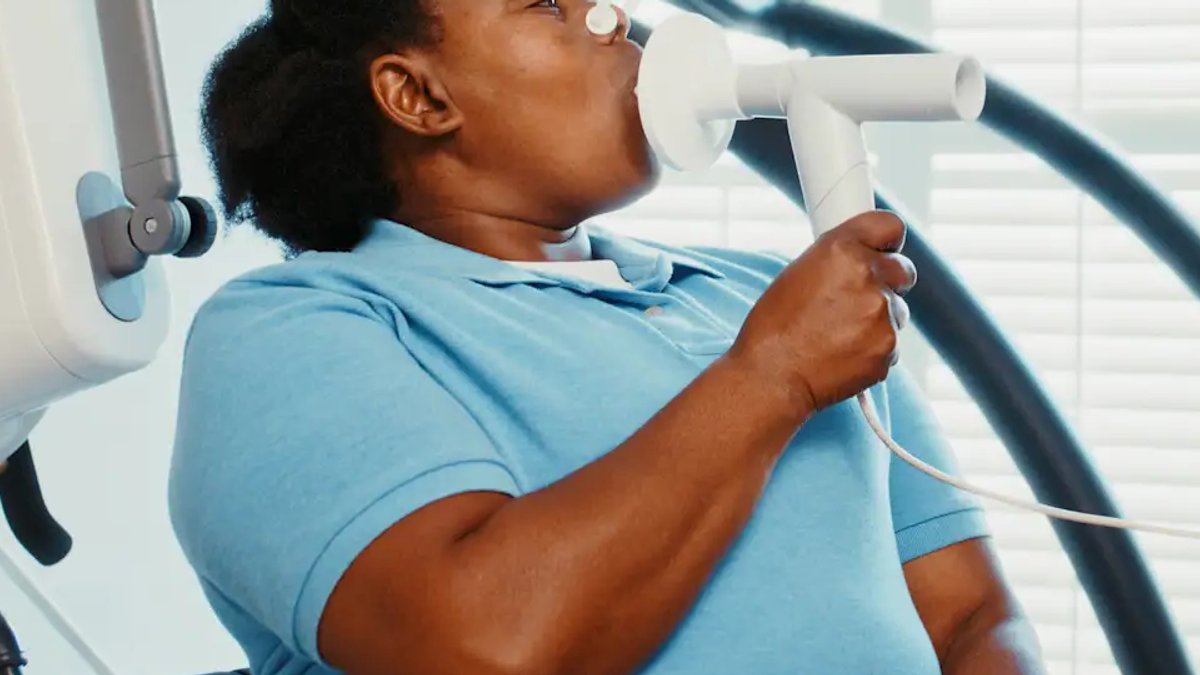
The 2027 GOLD report places a spotlight on pulmonary rehabilitation and the push for early diagnosis as central strategies for handling chronic obstructive pulmonary disease (COPD). The new direction was first outlined at the 2026 COPD GOLD International Conference held in Philadelphia, where experts gathered to discuss the upcoming changes.
Since its inception in 2001, the Global Initiative for Chronic Obstructive Lung Disease (GOLD) has issued yearly updates that shape clinical practice worldwide. The latest edition shifts attention away from drug-only regimens and highlights non-pharmacological care, especially the role of structured rehabilitation programs as a foundational element of therapy.
Pulmonary Rehabilitation Takes Center Stage
Claus Vogelmeier, MD, who chairs the GOLD science committee, emphasizes that managing COPD cannot rely solely on medication. “It’s not good enough to just write a prescription,” he remarked, urging clinicians to integrate exercise training, education, and behavioral counseling into routine care.
Despite the clear benefits, the uptake of rehabilitation remains low. Christopher Mosher, MD points out that less than 5% of eligible patients in the United States actually enroll in such programs. He identifies three major obstacles: difficulties with insurance coverage, the distance patients must travel to reach a center, and the conflict between program schedules and work obligations.
For individuals living in remote areas, the scarcity of nearby facilities creates an additional barrier. Emerging telehealth options aim to bring supervised exercise and education into patients’ homes, yet their long-term effectiveness is still being evaluated. Emily Wan, MD, MPH warns that rehabilitation involves more than aerobic activity; it also requires nutritional guidance, breathing techniques, and psychosocial support.
Pharmacotherapy Expands to Milder Cases
The updated guidance introduces a notable drug-based change: recommending long-acting muscarinic antagonist (LAMA) therapy for patients classified as GOLD group A, who experience mild symptoms and present a low risk of future flare-ups. Dr. Wan notes that recent studies suggest this approach may also confer a survival advantage.
Rethinking COPD Demographics and Diagnosis
The report challenges long-standing assumptions about who develops COPD. According to Dr. Vogelmeier, the patient profile is shifting: individuals are being diagnosed at younger ages, a larger proportion are women, and about half have never smoked.
Dr. Mosher highlights that genetic susceptibility combined with environmental exposures—such as air-pollution particles and abnormal lung growth during childhood—plays a substantial role in disease development. This broader view encourages clinicians to consider COPD risk even in patients without a smoking history.
Screenings for lung cancer frequently uncover early signs of COPD, providing a window for timely intervention. Dr. Vogelmeier believes that catching the disease at this stage can dramatically alter the trajectory for patients, potentially slowing progression and reducing future complications.
Managing Multi-Morbidity Requires Holistic Approach
Dr. Vogelmeier also noted that patients with COPD typically do not have only one disease, and when this is the case, the prognosis is much worse. “What we have to do is have a holistic approach to a disease like COPD.” He added that managing comorbidities and thinking in terms of systems is something primary care physicians are very good at. The report suggests that in the case of several comorbidities, physicians should keep the COPD treatment as simple as possible to minimize polypharmacy.
Disclosures: Dr. Wan reported no conflicts of interest. Dr. Mosher disclosed funding and consulting relationships with several organizations. Dr. Vogelmeier has received personal fees from multiple pharmaceutical companies.
In conclusion, the 2027 GOLD report emphasizes the importance of pulmonary rehabilitation, early diagnosis, and a holistic approach to managing COPD, and provides updated guidance on pharmacologic treatment, highlighting the need for a wide-ranging approach to caring for patients with this complex disease.
Related Stories
 Public Health Briefing
GOLD Report Highlights Rehab and Early COPD Diagnosis
 Public Health Briefing
Dermatologists Guide Patients Through Sunscreen Safety Concerns
 Public Health Briefing
Mass General Brigham shifts home hospital focus to ease hospital
 Public Health Briefing