Climate change worsens HIV treatment in Africa
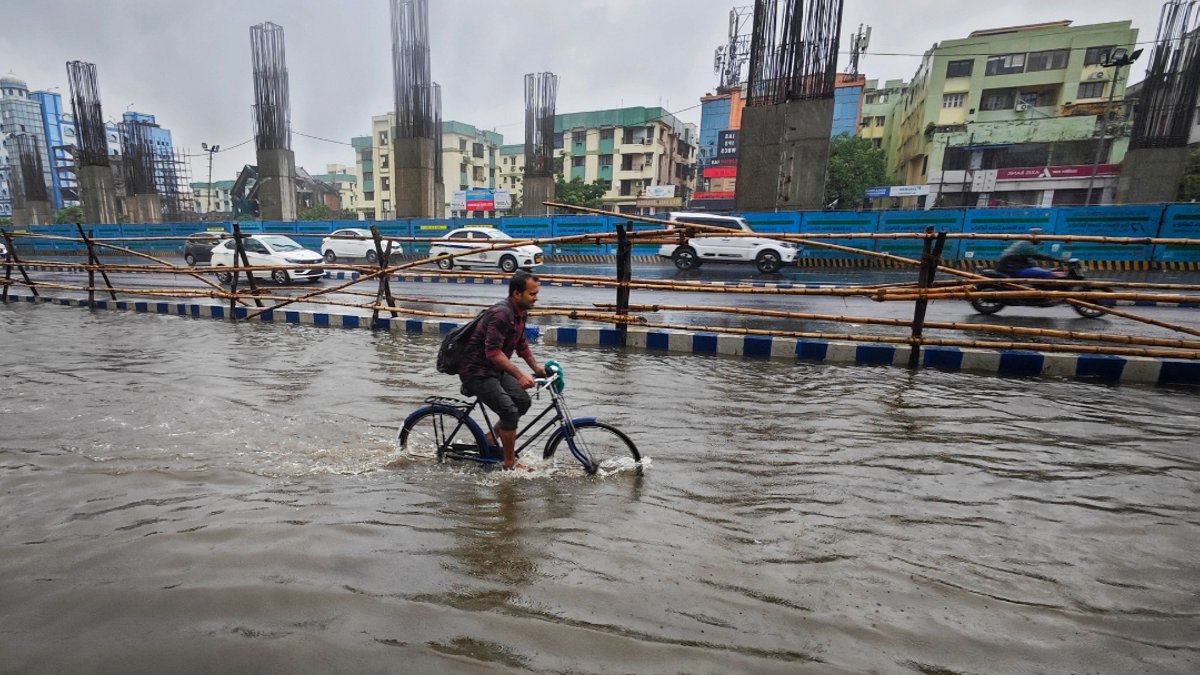
South Africa has the largest population of people living with HIV, making it more vulnerable to the impacts of climate change. Severe weather events, such as floods and droughts, can destroy roads, block access to health clinics, and disrupt daily routines, including HIV treatment.
A warming scenario could lead to 25-37% more people in sub-Saharan Africa living with HIV by 2050. Disasters like the 2022 Durban floods have already shown the devastating impact on HIV treatment, with people losing their medication, identity documents, and access to healthcare.
Mfundo Shezi, a 32-year-old HIV patient, experienced this firsthand when the floods hit Durban. He lost his monthly supply of antiretroviral treatment and his ID, making it impossible for him to access healthcare. Shezi’s story highlights the challenges faced by people living with HIV in the face of climate-related disasters.
Climate change does not make HIV more infectious, but it can change people’s behavior and access to healthcare. Extreme weather events can lead to increased HIV infections, particularly in rural areas. For example, a bad drought can increase HIV infections by 11% in rural areas, while heavy rainfall and flooding can increase the chances of getting HIV by 14%.
Climate Change and HIV: A Complex Relationship
Climate scientist Christopher Jack and public health specialist Coceka Nogoduka spoke to journalists about the links between climate change and HIV. They emphasized that climate change can exacerbate the existing challenges in HIV treatment and prevention, particularly in areas with inadequate infrastructure and weak health systems.
When people are displaced by extreme weather, they may lose their medical records, making it difficult to continue treatment. South Africa’s planned national electronic patient record system could help address this issue, but it is still not fully implemented. In the meantime, paper records are often lost or destroyed, disrupting patient care and HIV treatment.
The impact of climate change on HIV treatment is not limited to individual patients. It can also affect the overall health system, with clinics closing due to flooding or lack of power, and delivery trucks unable to reach remote areas. This can lead to a shortage of HIV medication and other essential supplies, further exacerbating the problem.
Experts stress that addressing the intersection of climate change and HIV requires an approach that includes investing in climate-resilient health infrastructure, improving access to healthcare, and supporting community-based initiatives. By understanding the complex relationship between climate change and HIV, they can work towards developing effective solutions to mitigate the impacts of climate-related disasters on HIV treatment and prevention.
Coceka Nogoduka notes that when people are displaced by extreme weather, their homes might be washed away with their identification documents, and they might not even be able to get into a new health facility and be able to identify themselves so that they can then be re-registered into the public health systems. This highlights the need for a more robust and resilient health system that can respond to the challenges posed by climate change.
Climate scientist Christopher Jack notes that inadequate infrastructure, such as poorly built or maintained roads and bridges, often compounds with weak health systems. This can lead to a cascade of effects, including disrupted access to healthcare and poor health outcomes.
A non-climate driver, such as a weak health system, can be exacerbated by climate impacts, leading to further disruptions in healthcare and livelihoods. For example, damaged roads and floodwaters can make health facilities unreachable, as seen in Namibia’s Ohangwena region in 2009.
Building Resilience
Experts emphasize the need for health facilities to be built to withstand climate-related shocks. This can include designing clinics with backup power and water systems, as well as implementing digital health records to ensure continuity of care.
South Africa’s Climate Change Act, which came into operation in March 2025, includes a national adaptation strategy to help guide the country’s response to climate change. The strategy aims to address the impacts of climate change on health, including HIV treatment and prevention.
The former health minister of Malawi, Khumbize Kandodo Chiponda, introduced digitized health records and stronger emergency planning after Cyclone Freddy swept away paper health documents and supplies in 2023.


