Climate disasters leave mental scars
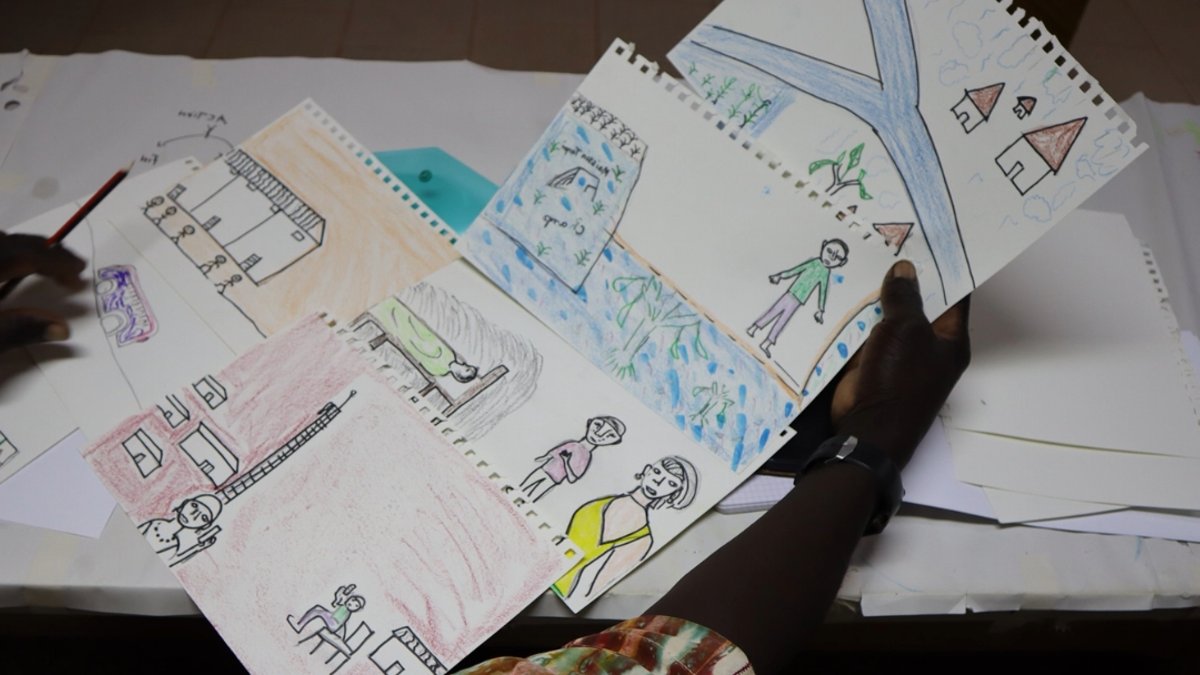
With COP31 just over a month away, protecting people from flooding and other weather disasters is high on the agenda. Researchers from a four-country study called Weather Events and Mental Health in Africa (Wema) found that flooding accounts for a quarter of all mental disorders in those studied.
In Beira, Mozambique, survivors of Cyclone Idai in 2019 say the disaster continues to haunt them years on, with rain, flooding and threats of more storms bringing back fear and painful memories. The mental health effects of flooding in four African countries were studied, revealing higher levels of anxiety, depression and post-traumatic stress among people who’ve lived through floods.
Community health workers need to be trained to identify those who may need counselling, as support can’t come soon enough after a flood. In Khayelitsha, Cape Town, researchers from the University of Cape Town found that living in informal homes makes it harder to get a good night’s sleep when temperatures are scorching.
Solutions can be as simple as a lick of paint. Special roof paint can reduce temperatures inside by up to 7°C, while installing ceilings and solar fans can also make a difference. The hidden health costs of violent weather are a growing concern, with the mental scars of climate disasters affecting many people.
According to local reports, the University of Cape Town’s research in Khayelitsha shows that people living in informal homes are more likely to experience sleep disturbances due to high temperatures. The researchers suggest that providing simple solutions, such as special roof paint, can help alleviate some of these issues.


