Brother’s fight to keep schizophrenia patient out of hospital
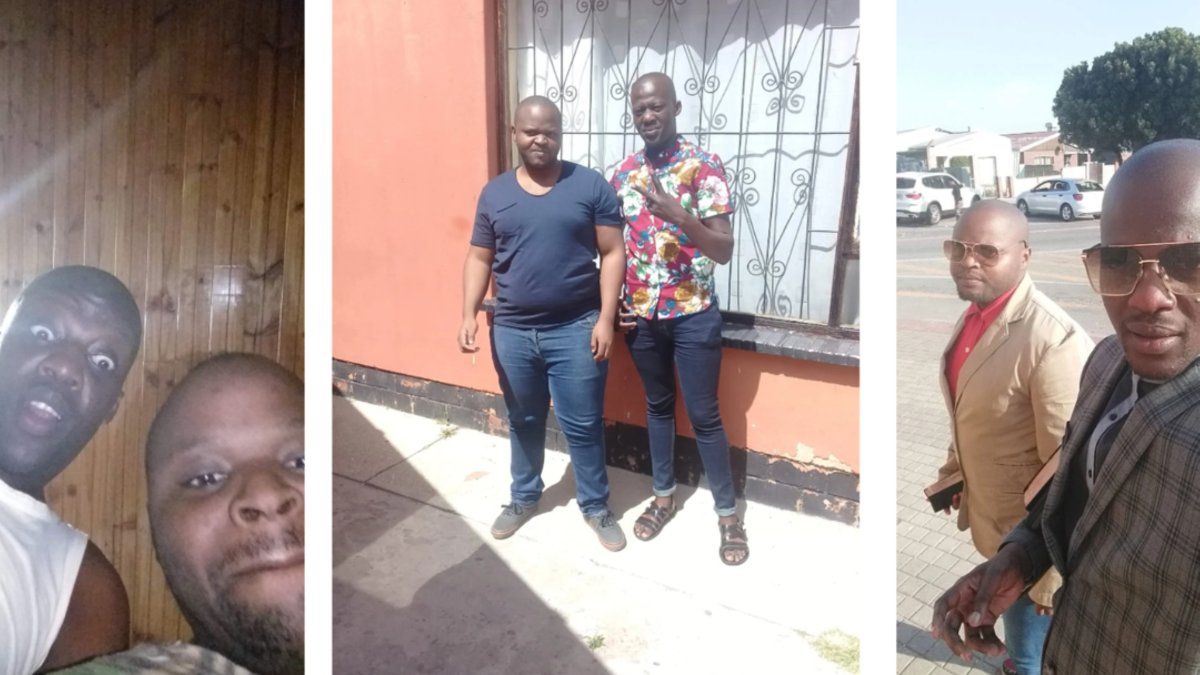
The brothers left their home on Gqeberha’s outskirts, each step testing Phumelele Ngalo’s patience. He had spent too long coaxing his sibling, Lithemba, into dressing and bathing. Halfway to the taxi stop, Lithemba would freeze, staring blankly ahead—not defiant, just gone. Phumelele would snap, “Bana, come on, let’s go”, then pull him forward by the hand. Even in hospital waiting rooms, Lithemba would stand up and sit elsewhere, as if the chair beside his brother held no claim on him.
For a decade, Phumelele has been Lithemba’s sole caregiver. Their parents were already gone when schizophrenia was diagnosed, years after Phumelele first mistook his brother’s silence for severe depression. Now 37, Phumelele sleeps in the same room as his older sister’s family, but Lithemba listens only to him. The brothers’ bond, forged in childhood, became Phumelele’s anchor when Lithemba’s condition worsened. Yet last year, Lithemba was readmitted to an inpatient mental health facility. Their last conversation left Phumelele firm: “When are you coming to discharge me?” Lithemba asked. “No,” Phumelele replied. “When you come back home, you have to take your medication. Otherwise, you’re gonna go back there again.”
South Africa’s broken mental health support system
In South Africa, people with schizophrenia often cycle between hospital and home because there’s little mental health support in their communities. Charlene Sunkel, who founded Aves Mental Health, formerly known as the Global Mental Health Peer Network, in 2018, says, “Medication is just part of your recovery. The rest is your relationships with your family and your community … and having a purpose in life.”
In 2022, researchers examined whether peer-led groups could break this cycle. The study recruited 92 people with psychosis in Nelson Mandela Bay’s townships. Half received only medication; the other half got medication plus two-hour weekly group sessions. The results were clear: only 2% of those in recovery groups relapsed, compared to 17% of those on medication alone.
Related Post: Nigeria’s Malnutrition Crisis Strains Caregivers’ Mental Health
The groups began with a check-in. “You are the one who knows when you are moving from green to orange, and we do not want you to go to the red,” said the study’s project manager. Discussions covered triggers, goals, and finances, followed by shared meals. For many, the food was vital. “That meant that after eating at the group, a person would be able to take medication because they didn’t have food at home.”
How poverty sabotages recovery efforts
Yet even low-cost solutions faced poverty’s constraints. By September 2023, the last peer group dissolved when food supplies ran out. Attendance dropped without snacks. The study’s authors observed in PLOS Global Health that mental health and financial security were inseparable. One participant bluntly stated: “For instance, if I want to become a nurse, I won’t be able to get a job in the hospital because they will say I will kill the patients.” Hunger often meant participants couldn’t take their medication, reinforcing the link between economic stability and treatment adherence.
The revolving door of hospital admissions strains the state’s budget. Lithemba, now 34, is back in the facility. Phumelele will visit him next week for his birthday—their first apart in a year. “You can’t spend a whole year without your sibling being home,” Phumelele says. “It’s not as if he’s out there for work. I miss him. He’s alone, and maybe he thinks we’ve abandoned him.”
Caregivers redefine long-term mental health strategies
The study’s model was shaped by caregivers and those with lived experience, ensuring materials reflected daily realities. Short-term aims included basic routines, like waking at 7 a.m., while long-term plans focused on skills or employment. Sunkel emphasized that recovery wasn’t about cure but about managing the condition over a lifetime.
Related Stories
 Genomics & Biotech Beat
Brother’s fight to keep schizophrenia patient out of hospital
 Genomics & Biotech Beat
RiverSpin Casino online offre slot machine con RTP superiore alla media italiana
 Genomics & Biotech Beat
Fewer than half of 40s attend NHS health checks
 Genomics & Biotech Beat