Nigeria’s Malnutrition Crisis Strains Caregivers’ Mental Health
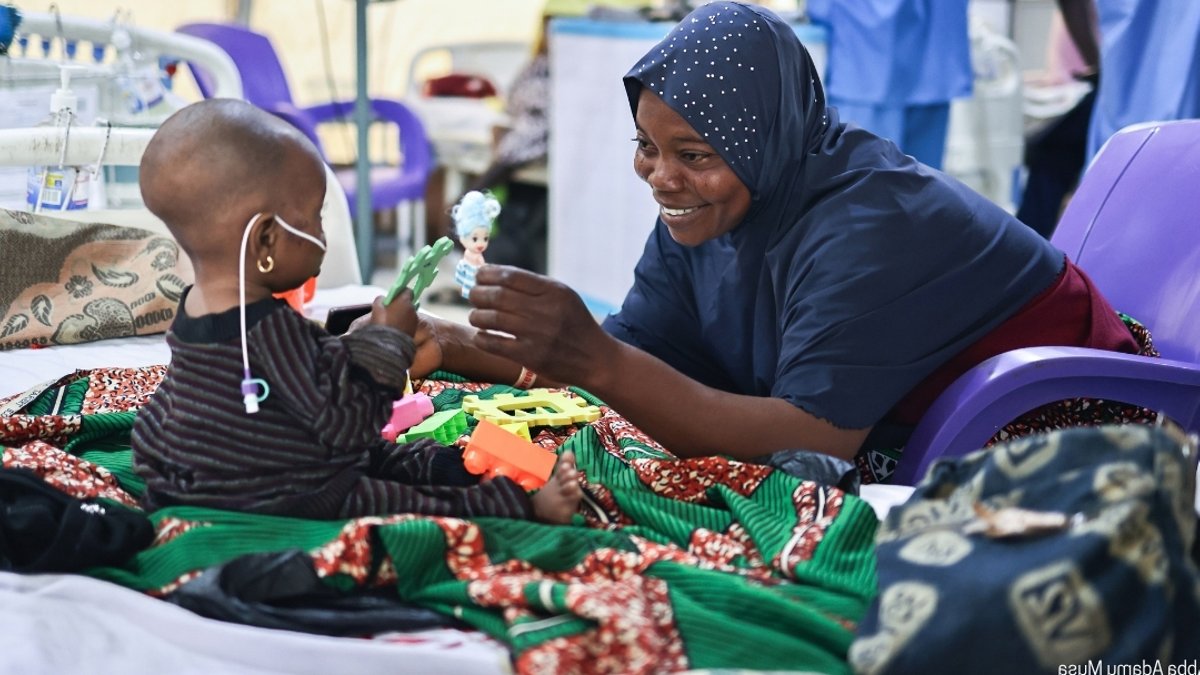
The Médecins Sans Frontières (MSF) Nilefa Kiji nutrition facility in Maiduguri, Nigeria, is filled with the cries of children battling severe acute malnutrition. This condition, prevalent in northern Nigeria, weakens immunity, often leading to additional diseases like measles, diphtheria, and malaria. Nurses move from bed to bed, checking vital signs, dispensing therapeutic milk, and reassuring anxious parents, as every child here fights for survival.
Treatment can last from one week to a month, during which caregivers, often mothers, stay at the hospital, far from home, burdened by worries about their families. The separation adds another layer of stress to an already dire situation.
The Hidden Toll on Caregivers
The emotional strain on these caregivers is immense. They face weeks of anxiety, uncertainty, and fear of losing a child, all while separated from their families. Fatima Ibrahim, whose 23-month-old daughter was admitted after battling meningitis and convulsions, expressed her distress: “Yesterday my older daughter had fever, and her father did not have money for medication. Yesterday, I cried and had no appetite.” Her story reflects the conflicting emotions many caregivers experience—gratitude for their child’s improvement alongside constant worry for those left behind.
These stories reveal an often-overlooked consequence of malnutrition. While medical statistics capture admissions and recovery rates, they cannot measure the emotional burden people carry while trying to support their sick children.
Addressing the Emotional Burden
Recognizing this, MSF integrates mental health and psychosocial support into its malnutrition programs at Nilefa Kiji.
Caregivers receive psychological first aid upon arrival, followed by individual counseling and group sessions. These sessions allow them to share experiences, express fears, and learn coping strategies. Children also participate in structured play activities, facilitated by counselors, to restore a sense of normalcy during recovery. Latifat Abdulkareem, whose seven-month-old daughter Aisha was treated at the facility, shared her experience: “The counsellors come to play with my daughter, and we also have group sessions. The counsellors are very kind.
Beyond counseling, MSF provides practical support. When caregivers lose contact with relatives, counselors help them reconnect by phone. In some cases, supervised home visits are arranged so caregivers can briefly check on their families before returning to complete their child’s treatment.
Another mother, Halima Mohammed, experienced a different kind of strain after spending 45 days moving between hospitals with two sick children. “I was having good sleep before my children fell ill,” she says. “Now I barely sleep. For the past two days, I have not been feeling well myself. I pleaded for my daughter’s discharge, and I assured them that I was not running away; that my daughter is now better, but they advised against self-discharge as my daughter was not yet in a stable condition.” Her story shows the physical and emotional exhaustion caregivers face.
The Ripple Effect of Support
The impact of this support is evident. Kethurah John, an MSF counselor educator, notes that many caregivers regain hope as they see their children recover. Some even return after discharge to show how healthy their children have become. This, she says, reminds the team that “caring for the caregiver is also part of caring for the child.”
Supporting caregivers is more than an act of compassion. Their emotional wellbeing influences their ability to remain engaged in treatment, follow medical advice, and provide the care their children need to recover.
As the fight against malnutrition continues, the needs of children and those who care for them cannot be separated. Healing is not only about restoring a child’s weight. It is also about restoring hope and resilience to the person who sits at the bedside every day.
Related Stories
 Nutrition Science Desk
Nigeria’s Malnutrition Crisis Strains Caregivers’ Mental Health
 Nutrition Science Desk
NHS pharmacists union wins full voting rights in pay talks
 Nutrition Science Desk
Liberal Democrats back expanded pharmacy role in NHS
 Nutrition Science Desk