South African Men’s Violence Tied to Childhood Trauma
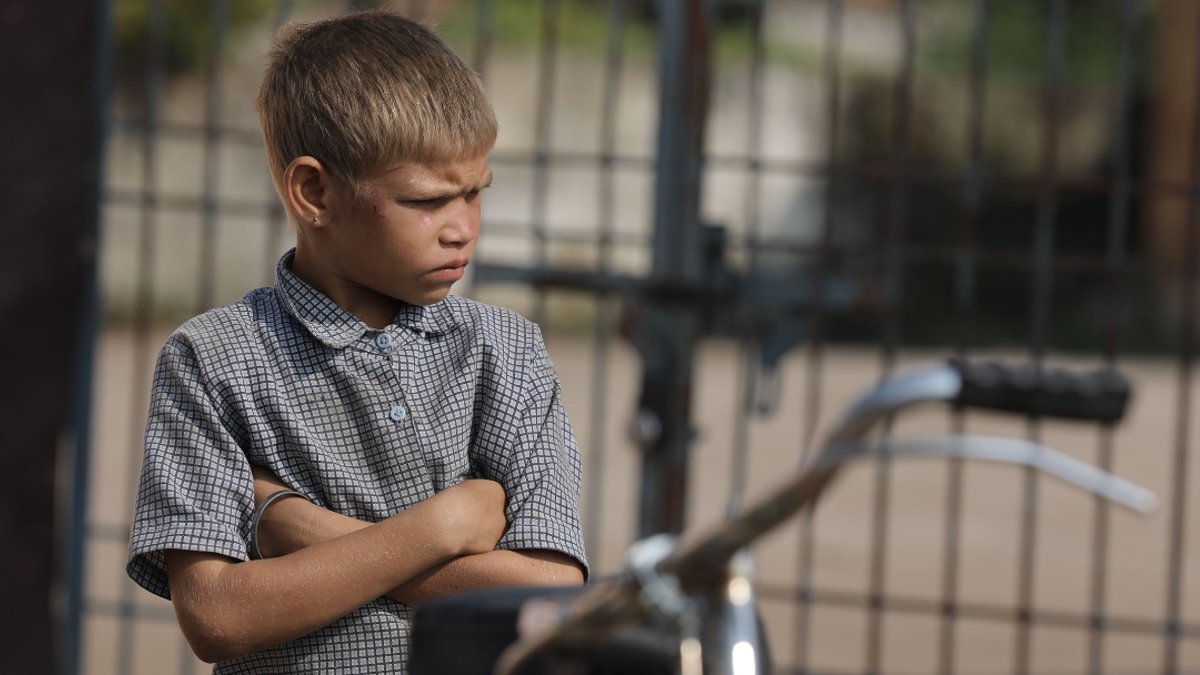
Violent behaviour among men in South Africa is linked to a cascade of early-life hardships, according to a series of studies conducted with mineworkers, university students and youth in informal settlements.
Early experiences shape later violence
The investigations identified a pattern of repeated trauma. Boys who reported being bullied, sexually assaulted by acquaintances or beaten by relatives also frequently witnessed their fathers assaulting mothers. Those same youths internalised a message that “a man does not cry,” reinforcing a connection between emotional suppression and power.
While not every boy who suffers these harms becomes violent, the accumulation of risk factors creates a pressure cooker. Poverty and community insecurity further limit alternatives, and substance use often emerges as a coping mechanism. In one cohort of university students, respondents linked the expectation to dominate women with the need to prove strength in the face of economic marginalisation.
Intervening before the turn
Intervention studies suggest that merely urging men to “talk about their feelings” is insufficient. In Marikana, mineworkers disclosed fear and trauma only after participating in facilitated groups that guaranteed confidentiality and respect. Similar safe-space formats in eThekwini allowed young men to articulate grief without fear of ridicule.
Programmes such as Stepping Stones and its offshoot Creating Futures have demonstrated measurable reductions in reported aggression when they combine peer-led discussions with role-play exercises. Researchers stress that these initiatives must also address the economic realities that drive many young men toward gangs and illicit activities.
Providing affordable mental-health services is another critical component. In the communities studied, few free counselling options existed, leaving men who recognized their own distress without viable avenues for help. The lack of accessible support often pushes vulnerable individuals deeper into cycles of violence.
Understanding the roots of violent conduct does not excuse it, but it highlights points where society can intervene. If a child who has been abused can safely disclose the incident, or if a teenager finds belonging outside criminal groups, the trajectory toward aggression can be altered.
Addressing these issues early also aligns with broader public-health goals. By reducing the prevalence of trauma-related mental illness, the burden on emergency services and the criminal-justice system may decline, freeing resources for prevention and rehabilitation.
Researchers involved in the studies include a chief specialist scientist at the Gender and Health Research Unit of the South African Medical Research Council and a senior lecturer from the University of Exeter’s psychology department. Their collaborative work shows the need for coordinated policy and community action.
Economic context and programme scaling
Economic pressures shape how gender norms are performed, especially when unemployment limits status options. When young men cannot secure stable work, the appeal of illicit activities grows, reinforcing violent scripts that promise respect and income.
Early detection and national response
National leaders have declared gender-based violence a crisis, calling for coordinated action that protects women, holds perpetrators accountable, and challenges entrenched power imbalances. This framing creates space for policies that target the roots of aggression rather than only its outcomes.


