Women face long wait for pain diagnosis
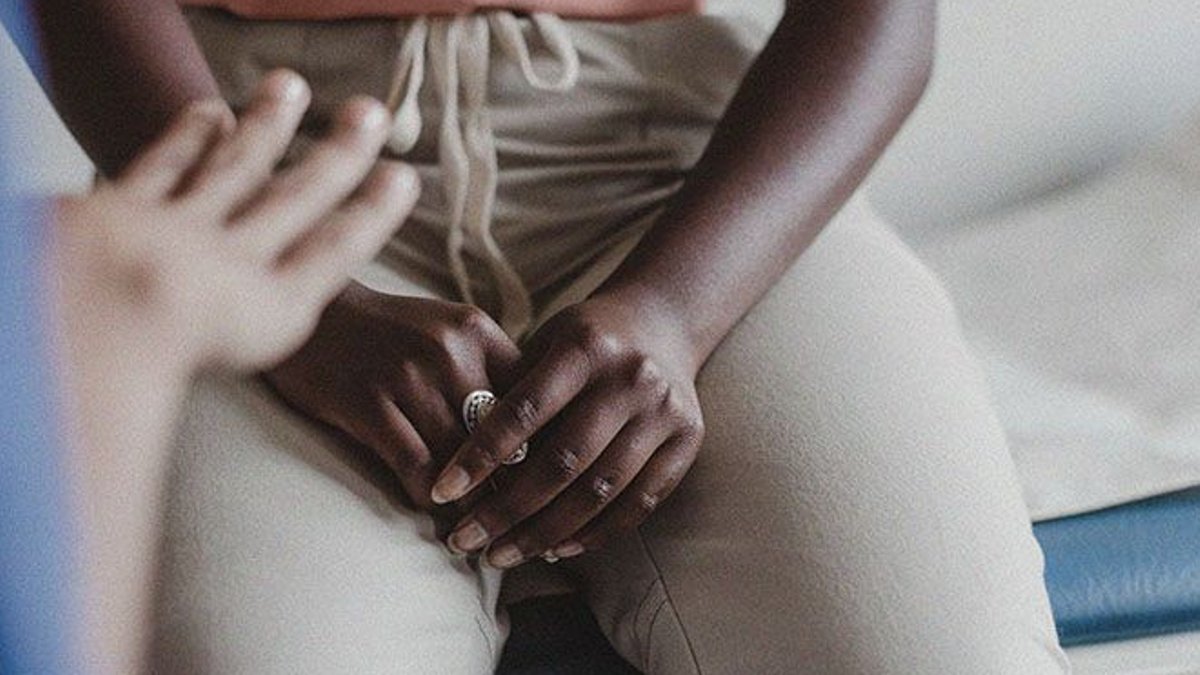
At least one in every 10 women live with endometriosis, a chronic condition in which tissue similar to uterine lining grows outside the uterus. According to existing data, around 10–15% of all women live with this condition, which can have a serious impact on the quality of life. Despite this, it often takes women years to have it diagnosed.
The severe pain and bleeding and other incapacitating symptoms that often accompany endometriosis mean that the life quality of those who live with this condition is impacted in serious ways. Endometriosis can affect all people assigned as female at birth, but it often goes undiagnosed, partly due to gender stereotyping.
Diagnosing Endometriosis
Currently, the generally accepted way of diagnosing endometriosis with certainty is through a laparoscopic surgery, which allows doctors to see the endometriosis lesions. The most recognizable symptom that accompanies endometriosis is debilitating pain, not just in the pelvic area but also of the lower back, during bowel movements and during or after sexual intercourse with vaginal penetration.
Alma, one of the women who spoke about their experience, said that she realized she might have endometriosis when the pain had moved from just her ovaries to her intestines and overall stomach area. After many MRIs and ultrasound scans, they concluded that she must have endometriosis, based on symptoms alone.
Related: Does intermittent fasting live up to the hype
Experiences with Endometriosis
Martha told us that it was only when she started to experience chronic pain between periods that she realized she might have a gynecologic condition. She had painful periods her entire life, but for a long time, she’d never heard of endometriosis. Around her mid-20s, she started to experience pain more often, not just during her period.
Lisa also had a similar experience: she realized that she might have endometriosis after receiving abnormal results from a transvaginal ultrasound. She visited her general OB-GYN after experiencing abnormal bleeding and increasingly debilitating pelvic pain during both ovulation and menstruation.
For Alma, Martha, and Lisa, it took many attempts at a diagnosis until they received the correct one — and only then, it was after specifically seeking the advice of an expert in endometriosis. The complexity of endometriosis symptoms is only half of the story when it comes to the delays in diagnosing the condition.
Women who seek help for chronic pain associated with or triggered by their periods often hear that this experience is “normal,” just a “bad period” that they have to find ways to cope with. This was Alma’s experience, which she recalled with frustration.
Related: Ultra-processed baby foods remain popular
Treatment Options
Treatments for the management of endometriosis do exist, although they are far from perfect. After receiving a diagnosis, women may be offered an excision surgery, which will remove the abnormal growths of endometrial-like tissue. This excision does not stop the tissue from growing back, however, and repeated surgeries may follow to keep removing these growths.
Doctors may also offer an endometriosis management plan, depending on how much pain and bleeding a person experiences as a result of endometriosis. NSAIDs often do not reduce the severe pain that endometriosis can cause, and both birth control pills and IUDs can produce side effects that further impact quality of life.
Martha told us that the treatments and coping strategies that her physicians offered kept falling short of their aim and did not help with her symptoms. She felt she had to go beyond the doctor’s office and come up with her own coping strategies: “I’ve never really had options that addressed my symptoms completely, but my most consistently helpful treatments have been home remedies, like heating pads, TENS units, and medical cannabis.
For Lisa, it’s also shocking to realize how few medical professionals actually have a working knowledge of endometriosis. She believes that all medical professionals need to be educated on endometriosis symptoms, diagnosis, and treatment.
Related: Leqembi helps over 75% of Alzheimer’s patients remain stable
The lack of satisfactory care for and research into endometriosis is also a major barrier for women living with this condition. Martha told us that “we desperately need better treatment options.” She has medical debt from pursuing treatment options that weren’t covered by her insurance, and sometimes those treatments didn’t even help.
In the middle of this struggle, it’s essential to recognize the human impact of endometriosis. Women like Alma, Martha, and Lisa are not just statistics; they are individuals who face significant challenges in their daily lives. Their stories highlight the need for a better understanding of this condition and the importance of empathy and support.
As Jenneh Rishe, a registered nurse and founder of the nonprofit organization The Endometriosis Coalition, pointed out, the main thing that she’d like people to know is that pain that is so disruptive that you’re missing out on life, work, school, etc., is not normal. As a society, we’ve normalized period-related pain, and I believe that makes people with suspected endometriosis feel that what they are dealing with is normal.
Physicians and researchers have a responsibility to find the best path forward. Society at large, however, has a responsibility, too: to stay informed and nurture empathy. By doing so, we can work towards a future where women with endometriosis receive the care and understanding they deserve.


