Ultra-processed baby foods remain popular
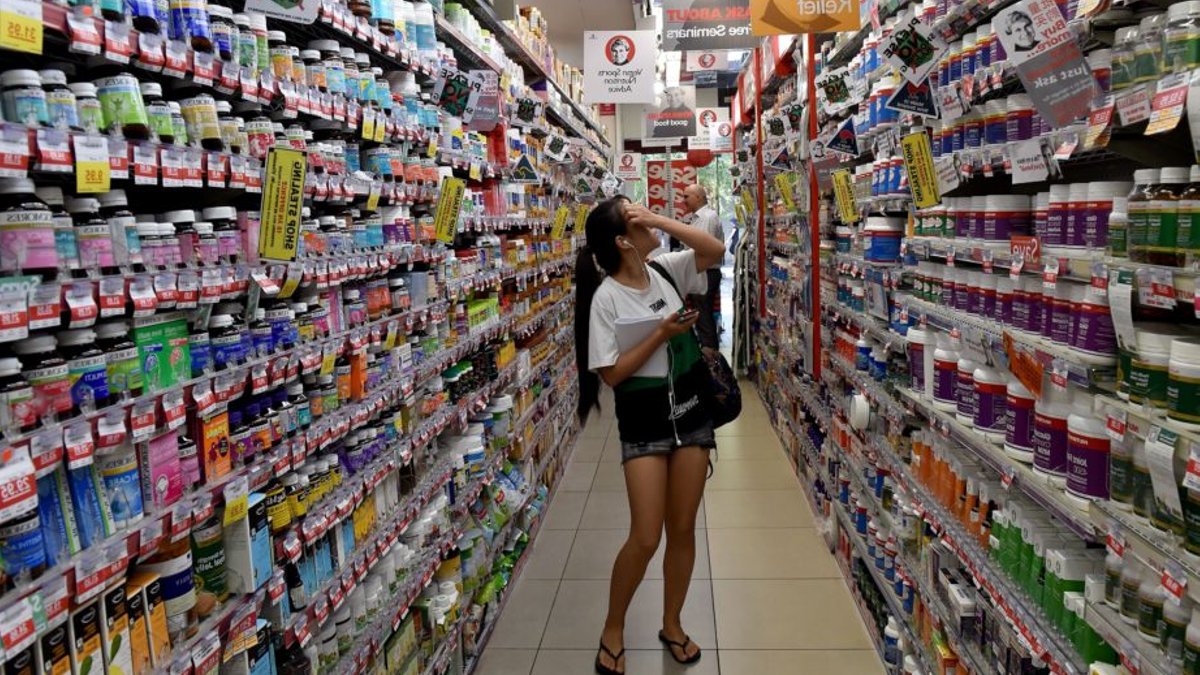
Austin, Texas grocery shelves reveal a common pattern: most baby and toddler foods sold there are ultra-processed, according to a recent study.
The findings, shared at the Nutrition 2026 conference, analyzed 2,783 products marketed for children ages 6 to 36 months. Over 80% met the definition of ultra-processed—foods containing additives, preservatives, or industrial ingredients not typically found in home cooking. Nearly half failed at least one of the World Health Organization’s standards for children’s foods, most often due to excessive sugar.
The study covered fruit pouches, granola bars, puffed snacks, and other packaged items. Among products that didn’t meet WHO guidelines, sugar content was the most frequent issue. Sodium, fat, and calorie limits were also commonly exceeded. These results align with a wider trend where ultra-processed foods dominate the baby and toddler food market, despite repeated warnings from nutrition experts.
Related: Pediatric E-Bike Injuries Surge as Public Health Concern
The study collected data from major grocery chains in Austin, including national brands and store labels. The sample excluded specialty or organic stores, which may offer fewer ultra-processed options. The results indicate that for most parents, healthier choices are either difficult to find or difficult to recognize.
Ultra-processed foods carry long-term health risks, including obesity and metabolic disorders. For infants and toddlers, early exposure to high sugar and sodium can influence taste preferences and eating habits that persist into adulthood. The study’s authors argue that without policy changes—such as stricter labeling, reformulation requirements, or marketing restrictions—parents will keep facing challenges in selecting nutritious options.
In the U.S., the FDA provides voluntary guidelines, but compliance remains inconsistent. The WHO standards used in the study are recommendations, not enforceable regulations, allowing manufacturers to disregard them.
Related: New Mothers Dont Need to Bounce Back
Critics highlight a gap between public health advice and available products. While pediatricians recommend whole foods like fruits, vegetables, and whole grains, the baby food aisle is filled with pouches, puffs, and bars designed for convenience.
Advocates for reform argue that solutions require more than consumer education. They propose policies to make healthier options the standard rather than the exception.
Parents face difficulties in this environment. The study shows that even careful shoppers may struggle to find foods that match expert recommendations. With ultra-processed options dominating shelves, the disconnect between what’s sold and what’s healthy remains unresolved.


