Mosquitoes unlikely to spread Covid-19 experts say
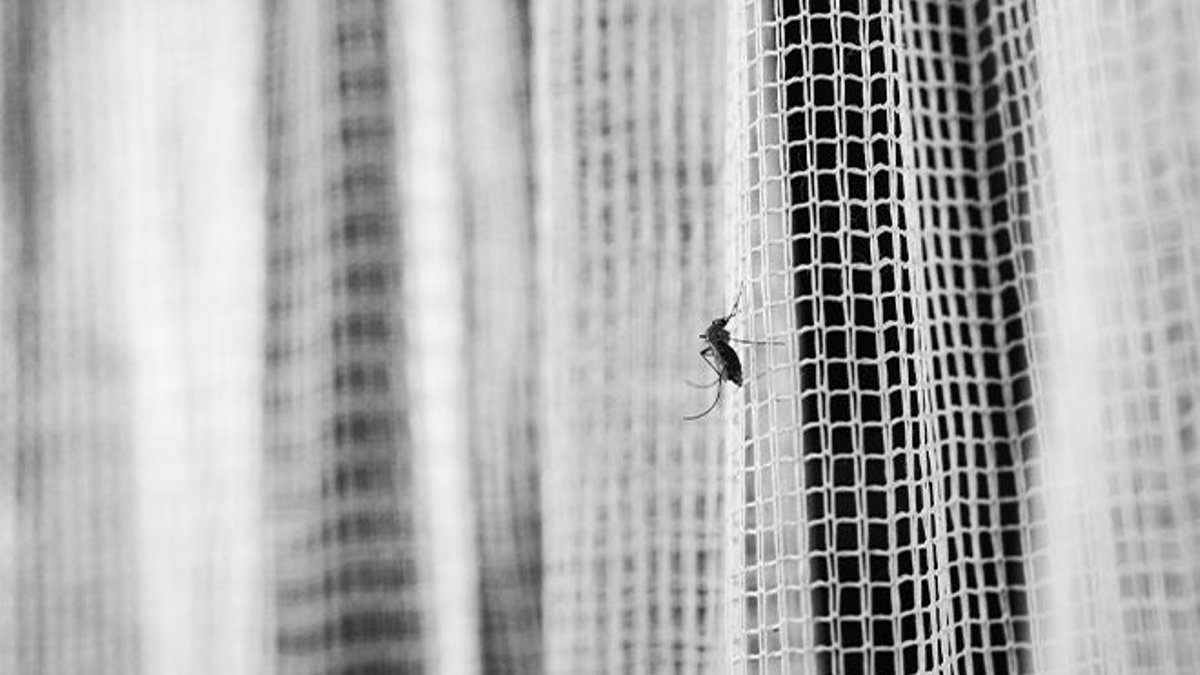
Mosquitoes spread viruses like Zika and West Nile, but they do not transmit SARS-CoV-2, the virus responsible for COVID-19.
No evidence mosquitoes can transmit SARS-CoV-2
Dr. Daniel Markowski, technical advisor for the American Mosquito Control Association, stated that no evidence exists showing mosquitoes can acquire or pass the virus. The process needed for transmission is complicated and rarely works, even for viruses adapted to this method.
To spread a virus, a mosquito must first bite an infected host with sufficient virus in their blood. The virus must then survive the insect’s midgut, replicate, and move through the gut wall into the body cavity. From there, it must avoid the mosquito’s immune system, reach the salivary glands, and multiply before being transferred during the next bite.
“It’s a long and difficult process,” Markowski said. “Few viruses have evolved to complete this journey, which explains why many, including flu, coronavirus, and monkeypox, are not mosquito-borne.”
A 2022 study by Dr. Stephen Higgs, director of the Biosecurity Research Institute at Kansas State University, confirmed that SARS-CoV-2 did not replicate in mosquitoes. The team injected the virus directly into the insects, a method that sometimes forces infection, but the virus still failed to grow.
Why SARS-CoV-2 doesn’t infect mosquitoes
“We didn’t expect it to infect mosquitoes because coronaviruses generally don’t affect them or other arthropods,” Higgs said. Even with direct injection, the virus couldn’t establish itself.
When asked if future mutations could alter this, he expressed doubt. “I don’t believe so. These changes wouldn’t turn a virus that doesn’t infect mosquitoes into one that does.”
Related: Experts Debate Whether More Protein Extends Lifespan
Markowski shared this view but acknowledged a remote possibility. “Saying something can never happen often proves wrong,” he said. “Still, the mutations required would make it extremely unlikely.”
If such a change were possible, it probably would have occurred long ago with viruses like influenza or polio.
Some viruses, such as Zika and dengue, change the scent of infected individuals, increasing their appeal to mosquitoes. However, no evidence suggests SARS-CoV-2 has this effect.
Even without COVID-19 transmission, mosquitoes remain dangerous for other illnesses. Experts advise using EPA-approved repellents, wearing protective clothing, and removing standing water where mosquitoes breed. Staying indoors during peak activity, usually at dawn and dusk, also helps reduce bites.
“If you live in a mosquito-heavy area, remove breeding sites near your home—like water in plant pots, old tires, or other containers,” Higgs said. “Ensure windows have screens to block them.”
While lifestyle changes can reduce health risks, controlling mosquito populations remains essential for preventing disease.


