Experts warn against overdoing skincare trends
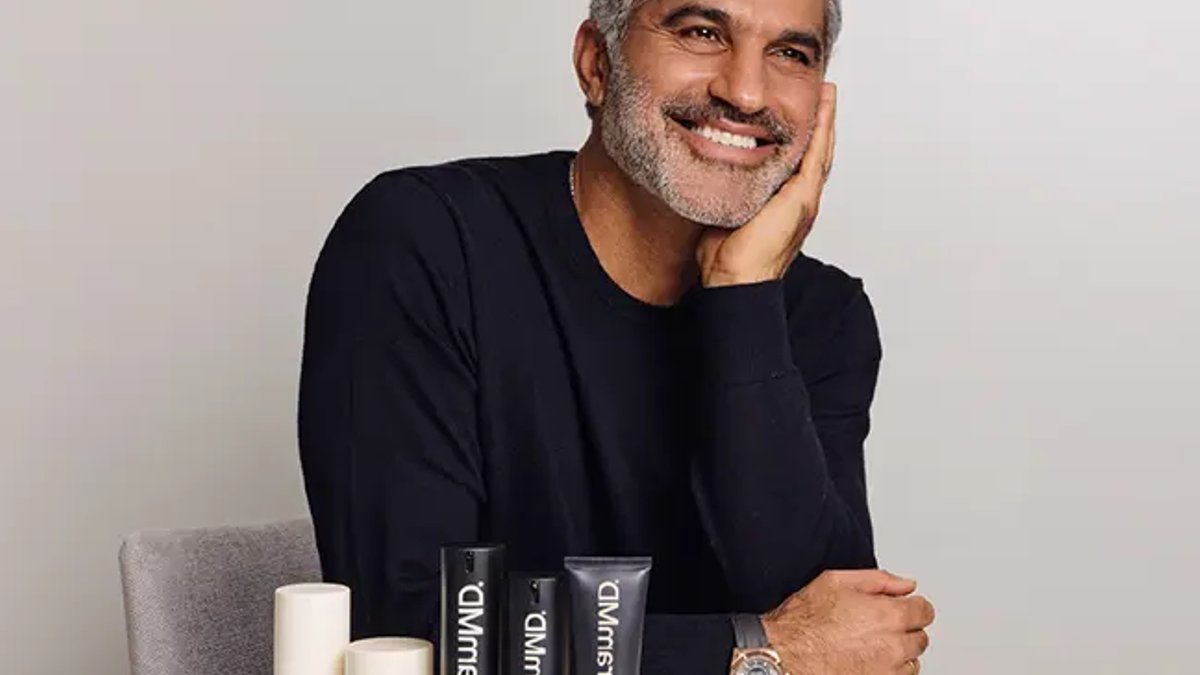
Dr. Amir Karam, a double-board certified facial plastic surgeon with over two decades of experience treating aging skin, argues that many patients waste money on treatments lacking real results. With an expanding array of options—from collagen banking to at-home red light therapy—the distinction between effective prevention and over-treatment has become unclear. His core recommendation remains simple: prioritize proven methods and avoid chasing trends.
When patients express a desire to “look younger,” Karam begins by assessing skin quality. For individuals in their early 40s, improving texture through retinol, vitamin C, and sun protection often produces noticeable results. Minor refinements can be achieved with Botox or filler. However, by the late 40s, structural changes like skin laxity demand more intensive interventions, such as facelifts, to deliver lasting improvements.
The concept of “collagen banking”, using lasers, microneedling, or injectables before visible aging appears, has surged in popularity. Karam rejects the term as misleading. “The concept is that collagen production decreases year over year starting in our mid-20s,” he says. The solution is straightforward: consistent sun protection, retinol, and vitamin C preserve existing collagen. While in-office microneedling can stimulate new collagen formation, it cannot replace a disciplined skincare routine.
Concerns about Botox losing effectiveness over time are overstated, according to Karam. The issue typically stems from incorrect dosage or placement rather than true resistance. “When you’re younger, in your 30s and 40s, a little bit of Botox around your eyes and forehead can make you look significantly more refreshed,” he explains. “However, the expectations of what they can achieve as you age definitely change, and the distribution and dosage you use should also change with age.
In fact, in many cases as you age, you want to avoid putting Botox in your forehead altogether to keep the brows from drifting down.” If resistance occurs, switching products can resolve the issue, though most cases involve adjusting expectations rather than the treatment itself.
Why At-Home Devices Fall Short
At-home devices like red light masks, microcurrent tools, and gua sha are heavily marketed as essentials, but Karam dismisses them as producing only temporary effects that vanish within hours. The foundation of youthful skin, he insists, lies in sun protection and active ingredients: retinol, vitamin C, niacinamide, ceramides, and hyaluronic acid. These account for over 90% of visible improvement. At-home devices, if used at all, should follow, not replace, these core treatments.
Red light therapy is the sole at-home treatment Karam endorses. It is safe and has some science to back it up. However, microneedling carries risks when performed improperly at home, particularly infection from unclean needles. For under-eye hollowness, platelet-rich fibrin (PRF) is often promoted as a natural alternative to fillers, but Karam warns it does not add volume. “For somebody who has moderate to severe volume loss, they’ll be very disappointed if they’re using PRF to help them with lower eyelid hollows,” he states.
Unlike many doctor-developed brands, it was not based on a white-label formula. For individuals juggling multiple serums and moisturizers, the system reduces routine time from 10 minutes to two. While not revolutionary for those already using full skincare, its true value lies in consistency, most people omit at least one essential ingredient.
The Limits of Nonsurgical Lifting Claims
The marketing of nonsurgical lifting treatments is particularly deceptive, according to Karam. Even advanced at-home devices cannot replace structural support. The science confirms that collagen loss and skin thinning drive visible aging, requiring targeted solutions. The rest are distractions.
Karam’s skepticism extends to the booming market of at-home and in-office procedures promising facial lifting without surgery. Devices such as radiofrequency microneedling, ultrasound-based treatments, and certain laser therapies are frequently advertised as facelift alternatives. However, these methods primarily improve skin tightening rather than addressing deeper structural changes like sagging jowls or jawline laxity. Some patients report temporary firming, but results diminish within weeks.
Where nonsurgical treatments do yield lasting benefits, according to Karam, is in collagen stimulation. Procedures like fractional laser resurfacing, microneedling radiofrequency (MFR), and specific chemical peels can thicken skin and improve texture over time, provided they are performed correctly. The key distinction is that these treatments require repeated sessions over months or years for sustained results. A patient in their late 40s might need annual microneedling to maintain collagen density, while someone in their 30s could space treatments further apart. The downside is that many procedures require professional administration, and insurance rarely covers them, making them a long-term commitment rather than a quick solution.
PRF’s Role and Realistic Expectations
Platelet-rich fibrin (PRF) has gained traction as a “natural” alternative to synthetic fillers, particularly for under-eye hollowness. Derived from a patient’s own blood, PRF is marketed as a safer, longer-lasting option without the risks of hyaluronic acid fillers. Karam acknowledges its role in skin rejuvenation, improving texture, reducing fine lines, and stimulating mild collagen production, but warns against overestimating its effects. For those prioritizing “natural” solutions, he recommends combining PRF with other treatments, such as radiofrequency or strategic Botox placement, to achieve broader rejuvenation.
For those already using robust skincare, the Trifecta’s primary benefit is convenience. Karam notes that many patients, especially women over 35, spend 10 to 15 minutes applying multiple products, often skipping critical ingredients due to time constraints. The system reduces application time to under two minutes, ensuring consistency without compromising effectiveness.
Related Stories
 Public Health Briefing
Somerhalder and Reed on Practical Wellness and Science-Based Supplements
 Public Health Briefing
Golden Door Chef Releases Flavorful Wellness Cookbook
 Public Health Briefing
Experts warn against overdoing skincare trends
 Public Health Briefing