Fauci Diary Reveals Pandemic Struggles
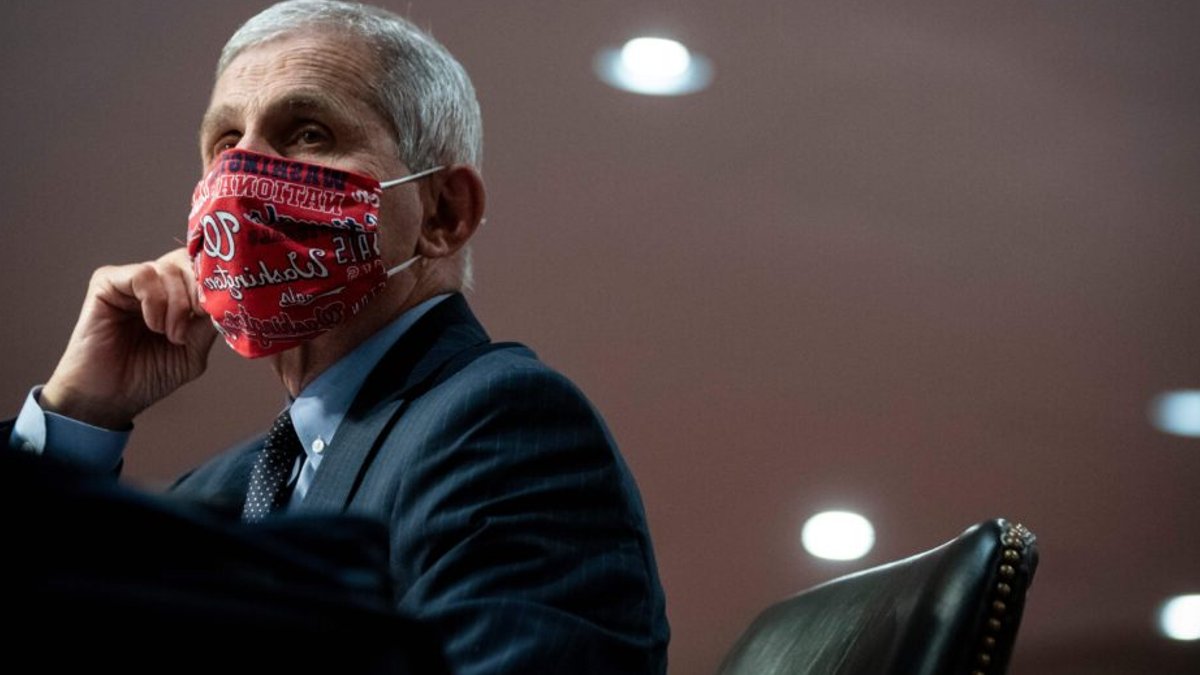
Senator Rand Paul released a collection of diary entries written by former NIAID director Anthony Fauci that cover the height of the COVID‑19 pandemic, and the documents will be examined as the doctor prepares to testify before the Senate Homeland Security and Governmental Affairs Committee.
Diary entries reveal Fauci’s view of political pressure
The excerpts, dated throughout 2021, show Fauci grappling with criticism from right‑leaning media and lawmakers. In a July 14, 2021 entry, he wrote, “This is all a colossal waste of time in which the far right is trying to link the COVID pandemic with work supported by NIAID in a sub‑award to the Wuhan Institute of Virology.” The note follows his preparation for a Senate health committee hearing, suggesting he anticipated similar attacks at the upcoming session.
Earlier that year, he expressed frustration that “right‑wing writers and commentators spend much of their time making me out to be the worst villain in the world or trying to discredit me.” The diary reflects his perception that public commentary on the pandemic often turned personal, a sentiment echoed by posts on the platform X that highlighted his private chronicling of fame.
Related: Ultra-processed baby foods remain popular
The senator’s motive for releasing the diaries, according to the filing, is to “pressure Fauci on what he believes is a ‘cover‑up’ about the origins of the Covid pandemic.” The timing aligns with a scheduled testimony where the former director is expected to address questions about the virus’s emergence and the role of research funding.
Context of the documents and upcoming testimony
No new scientific data appear in the release, but the narrative may influence how lawmakers frame their questioning.
Fauci’s memoir, slated for release later this year, reportedly contains reflections on decisions made during the crisis and how he might have acted differently with hindsight. Thus the entries offer a glimpse into the mindset of the former director as he dealt with a rapidly shifting public health emergency.
Related: Laughter shapes childhood memories and family bonds
They could instead become a platform for broader discussion about pandemic preparedness and the politicization of scientific advice.
His statements in the diaries highlight a consistent theme: the tension between scientific communication and political narratives. As the committee convenes, the interplay between personal recollections and public accountability will likely shape the discourse, offering both a record of past frustrations and a potential catalyst for future policy adjustments.


