Senate Passes Bill for Stricter Food Labels
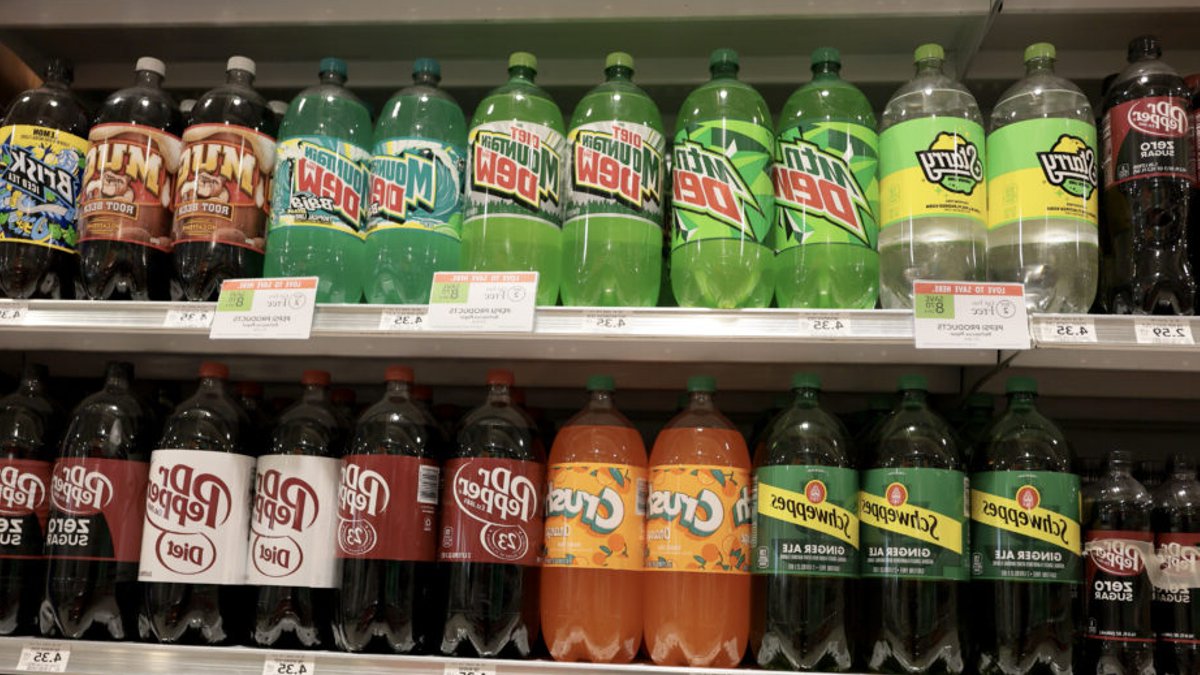
The Senate has advanced a bill that would ban junk food advertisements targeted to children and require strong warning labels on ultra-processed foods high in sugar, salt, and saturated fat. The bill, proposed by Sen. Bernie Sanders, was voted ahead to the full Senate by a 12-10 vote in the Senate Committee on Health, Education, Labor, and Pensions.
Leading nutrition researcher Marion Nestle said the bill is terrific, particularly the part about marketing ultra-processed foods to kids. The U.S. has been largely stuck with industry self-regulation on this point until now.
The food label proposal is substantially better than the FDA’s 2025 nutrition label proposal, according to Lindsey Smith Taillie, a nutrition epidemiologist at UNC Gillings School of Global Public Health. Sanders’ proposal would work more along the lines of Latin American warning labels that alert people to high levels of nutrients of concern.
The bill proposes warning labels specific to sugar-sweetened beverages and ultra-processed foods, both of which would be the first of their kind globally if implemented, Taillie said.
Related: Mental well-being boosts long-term success
Unexpected alliances among Republicans and Democrats were on full display during the Senate HELP Committee markup. Republican committee head Bill Cassidy of Louisiana was in favor of Sanders’ proposal, saying, I don’t think it’s a perfect bill, but it’s a starting bill for bipartisan changes we need to make to how food is regulated.
Sen. Roger Marshall echoed the sentiment, saying that while he’s generally averse to introducing more regulation, desperate times call for desperate measures. … We have to do something, and this is the most significant something I can see.
Not all Republicans were on board with Sanders’ proposal. Sen. Susan Collins warned that introducing stronger labeling requirements could have the unintended consequence of making food more expensive for Americans.
They oppose the bill, with the National Association of Manufacturers saying in a statement that the measure could risk unfairly targeting nutritious products, creating confusion and raising costs at a time when affordability matters most.
Related: Laughter shapes childhood memories and family bonds
Jerold Mande, head of the nonprofit Nourish Science, said the bill may still have a hard time getting passed by the Senate. However, he was heartened by the support for an amendment to make items like soda and candy ineligible for food stamps.
As the bill moves forward, it’s likely to face significant challenges. The food industry remains a powerful force in Washington, and it’s unclear whether the bill will ultimately become law.
Nevertheless, the fact that it has advanced this far suggests that there may be growing momentum for change. The agency will be responsible for developing and enforcing the new labeling requirements, which could have a significant impact on the food industry.
The Food and Drug Administration will play a key role in implementing the bill’s provisions if it becomes law.
Related Stories
 Public Health Briefing
Somerhalder and Reed on Practical Wellness and Science-Based Supplements
 Public Health Briefing
Golden Door Chef Releases Flavorful Wellness Cookbook
 Public Health Briefing
Experts warn against overdoing skincare trends
 Public Health Briefing