Invisalign Guide For Busy Adults
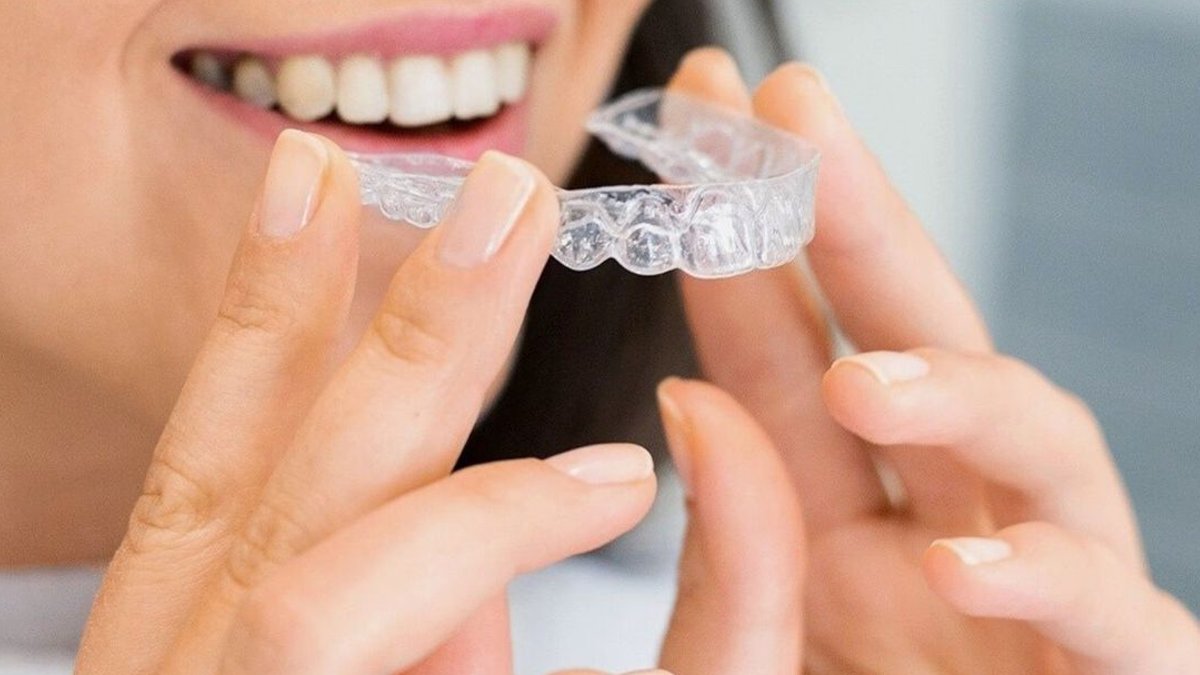
Adults seeking straighter teeth often consider clear aligners because they offer a discreet way to correct orthodontic issues without the look of traditional metal braces. The appeal is strong for working professionals who want to improve their smile without drawing attention to the process. However, the reality of daily life often clashes with the ideal of invisible correction. According to orthodontic guidance, aligners must remain in the mouth for 20 to 22 hours each day to be effective. This strict requirement means meals, snacks, and hydration become structured events, requiring a significant shift in daily habits.
While many adults adapt to this routine, the commitment is non-negotiable for anyone expecting results. Invisalign works by applying gentle pressure to guide teeth into a new position through a series of custom clear trays. Each set is worn for a specific period before switching to the next. The trays only work while they are on your teeth, which is why Invisalign’s guidance recommends roughly 20 to 22 hours of wear per day. In practice, that means aligners come out for meals, go back in right after, and stay in for everything else, including sleep, meetings, school pickup, and your third video call of the day.
Related: Where to Buy Medical Equipment in France
The challenge lies in the consistency of the habit. For a busy professional, the temptation to leave the trays out during a long meeting or while driving is high. However, the treatment timeline depends entirely on this frequency of wear. Skipping a tray for an afternoon snack can slow progress significantly, extending the overall treatment duration. Patients who snack frequently, a common habit for many, must plan their snacking carefully to maintain the 22-hour standard.
Small Surprises and Daily Adjustments
Patients often arrive at the clinic with specific expectations based on marketing materials. One common misconception is that the teeth will look completely bare during treatment. In reality, many treatment plans include small tooth-colored bumps bonded to certain teeth. These attachments give the aligners something to grip, allowing them to make more complex movements. They are subtle, but if you were picturing completely bare teeth, it is better to know now.
Related: Smartphone use affects childrens speech development
Another adjustment involves the daily routine, particularly regarding beverages. The aligners are not transparent to everything. Hot or colored liquids like coffee, tea, and red wine can stain the plastic. Furthermore, hot beverages can warp the shape of the tray. Most adults find that removing the aligners for coffee breaks is a small price to pay for maintaining the clarity of the device and their oral health. This break also creates a natural pause in the day for brushing teeth, which improves overall hygiene more than most patients realize.
Why a Specialist Matters
The rise of mail-order aligner services led many to believe that clear plastic trays could be purchased online without professional oversight. While these services were popular for a time, they have largely faded from the market. The primary reason for this shift is that teeth move within living bone, a complex environment that does not always match the digital simulation. A plan that looks perfect on a screen can encounter unexpected resistance in the mouth. Without a specialist to monitor the progress, small issues can escalate into major problems.
Related: Hospitals Streamline Vascular Access Supply Chains
Supervision is vital for adult patients, especially those with crowded teeth or uneven bites. These issues are more difficult to clean and can lead to enamel wear or jaw strain over time. An orthodontist can identify these risks early and make course corrections that are much less invasive than trying to fix a problem after it has fully developed. The difference between a custom treatment plan and a generic online kit is significant, particularly when the goal is long-term dental health.
Adults often see their children undergo orthodontic treatment and decide it is their turn. This timing is common, with many patients in their 30s, 40s, or 50s seeking care. The process typically begins with a digital scan rather than uncomfortable putty molds. This scan creates a 3D model of the teeth, allowing both the doctor and the patient to visualize the projected movement before starting. Follow-up appointments are usually brief and scheduled every several weeks to ensure the teeth are tracking correctly. Clinics often offer extended hours to accommodate the schedules of working parents and professionals.
Related Stories
 Public Health Briefing
Somerhalder and Reed on Practical Wellness and Science-Based Supplements
 Public Health Briefing
Golden Door Chef Releases Flavorful Wellness Cookbook
 Public Health Briefing
Experts warn against overdoing skincare trends
 Public Health Briefing