Understanding Left Groin Stabbing Pain in Women
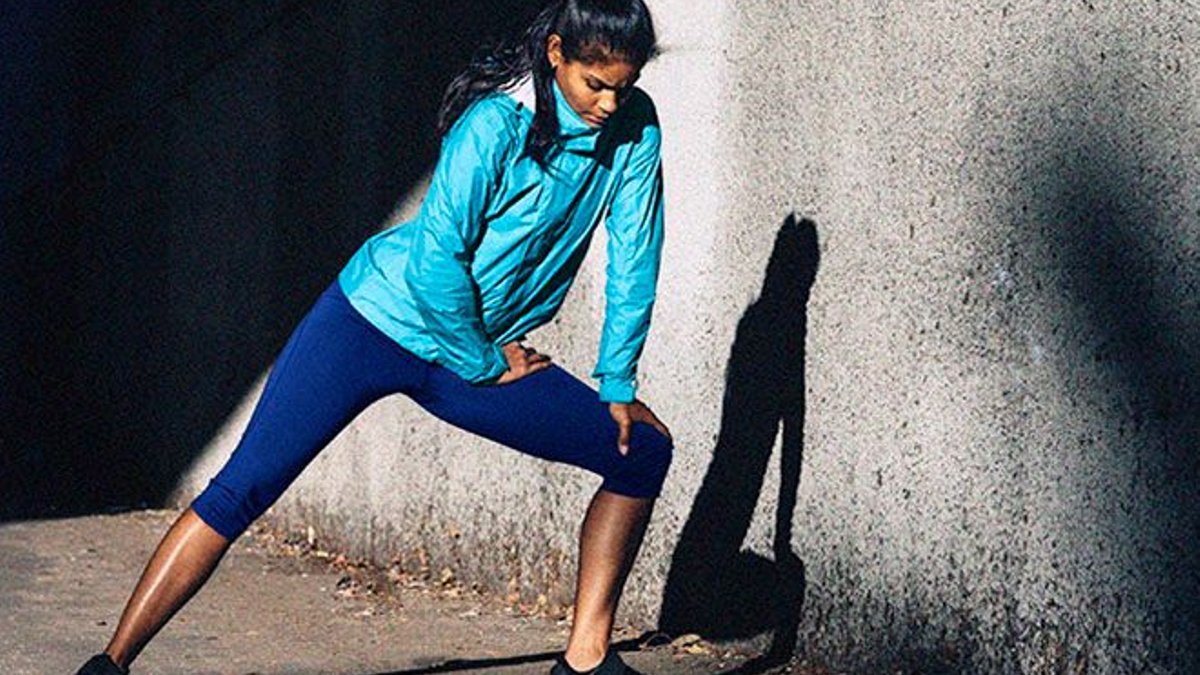
Women who feel a stabbing pain on the left side of the groin should consider a range of possible causes, from sports‑related strains to kidney stones and pregnancy‑related issues.
Common musculoskeletal sources
Groin strains often result from injury or overuse, especially in athletes who kick, sidestep, or change direction quickly. The pain may appear suddenly, feel sharp, and be accompanied by tenderness, bruising or swelling. Even a mild strain can be aggravated by sneezing or coughing if the injury extends to the abdominal muscles.
Related: Fauci Diary Reveals Pandemic Struggles
Guidelines from the United Kingdom’s National Health Service recommend resting the affected area for the first 48 hours, then gently moving it for short intervals each hour. After two days, increasing movement and applying heat may aid recovery. Persistent discomfort should prompt a visit to a physiotherapist, who can prescribe targeted exercises.
Hip problems can also manifest as left‑sided groin pain. Hip bursitis, more common in females and older adults, involves inflammation of a fluid‑filled sac around the joint. A labral tear—damage to the cartilage surrounding the socket—or femoroacetabular impingement, which creates friction between the ball and socket, may produce sharp pain that worsens with certain movements. Treatment typically combines rest, non‑steroidal anti‑inflammatory drugs, physical therapy, and, in some cases, steroid injections or surgery. Assistive devices such as a cane or crutches may help reduce strain.
Internal conditions that refer pain to the groin
Kidney stones in the left kidney can generate a sudden, stabbing ache that radiates from the back to the groin. Accompanying symptoms often include urgent and frequent urination, burning during urination, blood in the urine, nausea and vomiting. Small stones may pass on their own within six weeks if pain is tolerable and there are no signs of infection or blockage. Larger stones might require shock‑wave therapy or surgical removal.
Related: Imagined Futures Appear Brighter Than Current Reality
Hernias—either inguinal or femoral—are another source of left‑groin pain. While inguinal hernias more frequently appear on the right, they can develop on the left and cause a sensation of heaviness or discomfort. Femoral hernias, though rarer, occur more often in women and may present similarly. A strangulated hernia, where blood flow to intestinal tissue is cut off, produces severe, sudden pain and demands immediate medical attention, usually via surgery.
Seek care promptly.
For a groin strain specifically, the RICE protocol—rest, ice, compression, elevation—remains a standard first‑aid approach. After the initial two days, heat may become more beneficial than cold. Across most causes, avoiding heavy lifting, bending, and activities that exacerbate pain is advisable until a clinician provides further guidance.
Related: PhD should serve life goals
Diagnosing the underlying cause starts with a thorough medical history and physical exam that may include the lower back, abdomen and hips. Imaging such as ultrasound, CT or MRI can help identify kidney stones, endometriosis or structural hip issues. When pain is severe, persistent, spreads to the abdomen, or is accompanied by blood in the urine, prompt medical evaluation is essential.
In practice, the variety of conditions that can produce left‑groin stabbing pain means that women should not self‑diagnose based on location alone. A careful assessment by a health professional can pinpoint the exact source and guide appropriate treatment, whether that involves simple home care, physical therapy or surgical intervention.
Related Stories
 Fitness Recovery Watch
Clinical trials face enrollment protection issues
 Fitness Recovery Watch
AI-Powered Models Transform Biopharma Engagement with HCPs, Patients
 Fitness Recovery Watch
European consortium tests continuous drug production method
 Fitness Recovery Watch