Hospitals use data to optimize outpatient care
Isobel Handler, VP Advisory at Kontakt.io, leads a team that helps health systems implement Kio solutions in their clinical and operational workflows. Her team pairs former health system operators with technical solution architects to speed up adoption and ensure every deployment delivers measurable return on investment.
Handler states that they combine AI-powered RTLS with fully managed IoT-as-a-Service to enable responsive care and smarter resource deployment. Kontakt.io’s solutions are currently in use with US hospitals, including HCA, Sutter, and the Veterans Administration (VA).
KIO Clinic Solution
KIO Clinic is the first solution designed specifically for the outpatient setting. It’s centered around KIO Access, a unique technology that can measure room utilization with real-time location system (RTLS), and use those insights to optimize appointment scheduling and patient flow, no patient tagging required.
Handler explained that the idea for KIO Clinic came from customer feedback, who were looking to expand access to ambulatory care. The team worked with customers to understand their workflows, constraints, and priorities, shaping a bundle of solutions designed for how clinics actually operate. The solutions address different use cases but share one platform and infrastructure, giving clinics access to sophisticated technology in a way that fits their setting.
KIO Clinic includes features such as staff safety, asset tracking, hand hygiene, and temperature monitoring, to address all of an outpatient clinic’s operational needs. The solution helps health systems increase visits and revenue per exam room without adding rooms or providers.
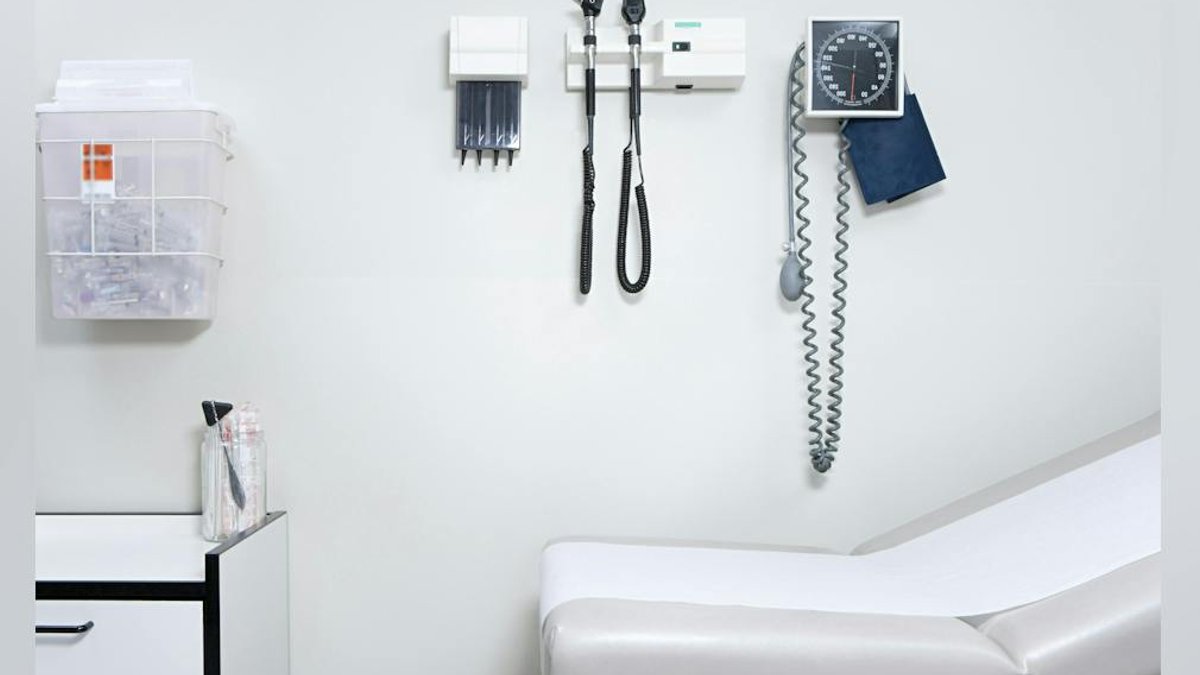
Handler noted that most exam rooms are occupied only about 33 percent of the time. To understand why, start with the traditional allocation of two exam rooms per provider, which creates a practical utilization ceiling of roughly 50 percent. Then consider that most providers are not in the same clinic Monday through Friday, nine to five. They split their time across inpatient duties, other clinics, operating rooms, and other responsibilities. Unless those rooms are reassigned, they can sit unused during those periods, bringing utilization down to approximately 40 percent. Scheduling templates and unfilled appointment slots create additional gaps, taking actual occupancy to around 33 percent.
Optimizing Room Utilization
KIO Access addresses this in three steps. First, it makes unused capacity visible, showing where and when rooms are underutilized. Second, it helps align scheduling templates with reality—such as how long different visits actually take and where appointments consistently run over. Finally, real-time dynamic rooming allows clinics to share rooms based on actual availability and care-team readiness. This can move a clinic from two rooms per provider toward 1.5—for example, six rooms shared by four providers.
Together, these changes create opportunities to accommodate more visits within the existing footprint. The gains depend on the clinic’s starting point, patient demand, and available clinical capacity. Handler estimated that this could accommodate about 27,000 additional visits a year, a 20 percent increase over baseline, and generate roughly $6.8 million in additional annual revenue. Seeing those patients in existing space could also avoid the need to build approximately 20 net new exam rooms, representing about $2 million in construction costs.
KIO Clinic also provides data on patient wait times, staff and provider time spent with patients, and room cleaning times, which can be used to identify opportunities for improvement and optimize workflows. The solution can flag when a patient has waited too long or a room has been awaiting cleaning, and support dynamic room assignments.
Handler highlighted that KIO Clinic helps patients get an appointment sooner, and identifies when appointments are running behind. The solution can also flag excessive waits and help staff locate equipment and supplies, reducing delays that interrupt a visit.
Data Security and Value
The data collected by KIO Clinic is secured through enterprise-grade encryption, and health systems have control over access, retention, and use. Handler noted that the value of the data extends beyond the initial use case, and can be used to identify staffing opportunities, build a business case for capital investments, or understand how clinics operate across different locations.
Expanding KIO Clinic
Kontakt.io is working to expand KIO Clinic beyond the exam room into other ambulatory settings, including radiology, infusion, and urgent care. Each of these settings has its own workflows and needs, but they share the challenge of bringing together the right people, space, equipment, and supplies when a patient needs them.


