South Africa tracks vaccine doses digitally
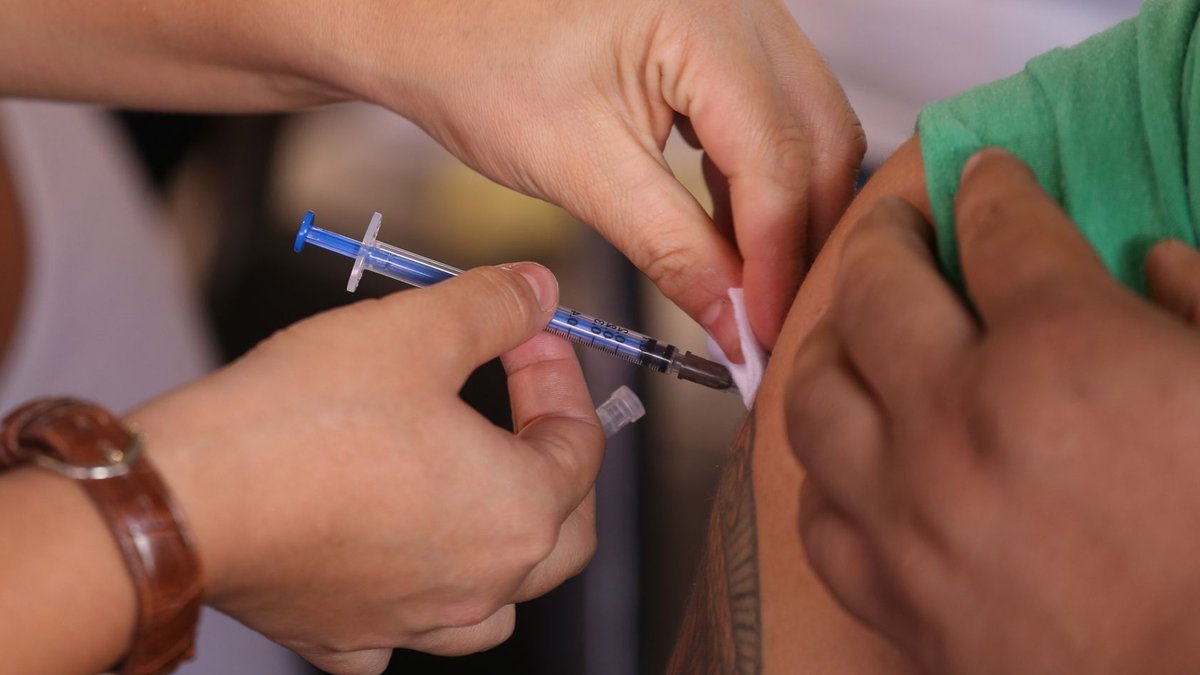
South Africa’s LEN rollout depends on more than counting the first injection; officials need a way to follow patients through each six-month dose.
Why the second jab matters
Health workers can administer the HIV-prevention shot, but the programme only succeeds if recipients return for the next dose. A single jab does not guarantee protection beyond six months.
By 15 October, just under 79,000 people had received their first LEN injection. The same cohort will be due for a second dose in early December, creating the first real test of retention.
Beyond individual compliance, the department must monitor clinic-level uptake, demographic reach, and inventory levels. Without that insight, supply chains risk mismatching demand, and vulnerable groups may be missed.
Digital backbone: the SyNCH system
Most public sites—about 360 clinics—are linked through SyNCH, the Synchronised National Communication in Health system. Developed by Health Systems Trust and ASG Technologies with the national health department, it originally tracked chronic-medicine pick-up points.
Since the rollout, SyNCH has been expanded to record both the daily HIV-prevention pill and the injectable LEN. Each visit creates an electronic entry that follows the patient, even if they change clinics.
If a patient receives a dose at one clinic and later visits another participating site, the health worker can view the previous injection date and schedule the next appointment. This flexibility is important in a country where mobility for work or study is common.
The Western Cape operates a separate electronic patient-record system, so its data remain siloed from the national SyNCH network. Patients can move between clinics within the province, but their records do not sync with sites elsewhere.
All entries feed a real-time dashboard that breaks down usage by province, district, age, gender and individual clinic. Officials can instantly spot where uptake lags or where a particular demographic is under-served.
From a practical standpoint, the ability to see who has returned for a second dose transforms raw numbers into actionable insight. Clinics can identify patients at risk of missing their next injection and reach out before protection lapses.
Read Also: Nigeria’s Malnutrition Crisis Strains Caregivers’ Mental Health
Data also shines a light on stock levels. When the dashboard flags a clinic’s inventory dipping below a threshold, managers can reallocate supplies or expedite deliveries, preventing interruptions that could force a patient to skip a dose.
Its usefulness hinges on the quality of the underlying data. Accurate entry at the point of care enables health officials to monitor both patient adherence and supply-chain health simultaneously.
As the programme moves beyond the first wave, officials are watching the emerging metric of return rates. Early reports indicate that as of the first week of December, several clinics have already logged follow-up appointments for the initial cohort, providing a clearer picture of the rollout’s momentum.
Granular monitoring of demographic reach
Officials can drill down from provincial totals to the level of individual health facilities, seeing which sites register the highest numbers of injections and which report few.
Age categories appear on the screen, allowing managers to spot whether younger adults are being reached as intended. Gender filters reveal any imbalance that might suggest cultural or access barriers in particular communities.
Because each entry records the exact date of administration, the platform can calculate the interval between doses for every individual. This enables supervisors to generate lists of people who are approaching their next scheduled injection, prompting reminder calls or text messages.
Newsletter emphasis on follow-up for LEN injections
In a recent newsletter, Ntombi Sigwebela noted that South Africa began distributing lenacapavir, a twice-yearly preventive injection, in June. Tracking that return enables providers to schedule timely appointments and maintain protection.
Supply-chain vigilance and broader health-system lessons
Real-time stock indicators appear alongside usage figures, so a clinic that is rapidly depleting its vial inventory triggers an automatic flag for the regional pharmacy.
Supply officers can then reroute supplies from nearby facilities with surplus, preventing a gap that would otherwise force a client to miss an appointment. Its alert mechanism works before a shortage becomes visible on paper registers.
Related Stories
 Chronic Condition Files
HIV Injection Demand Outstrips Supply in Southern Africa
 Chronic Condition Files
South Africa’s HIV Prevention Injection Faces Uptake Hurdles
 Chronic Condition Files
Families in South Africa bear the cost of caring
 Chronic Condition Files